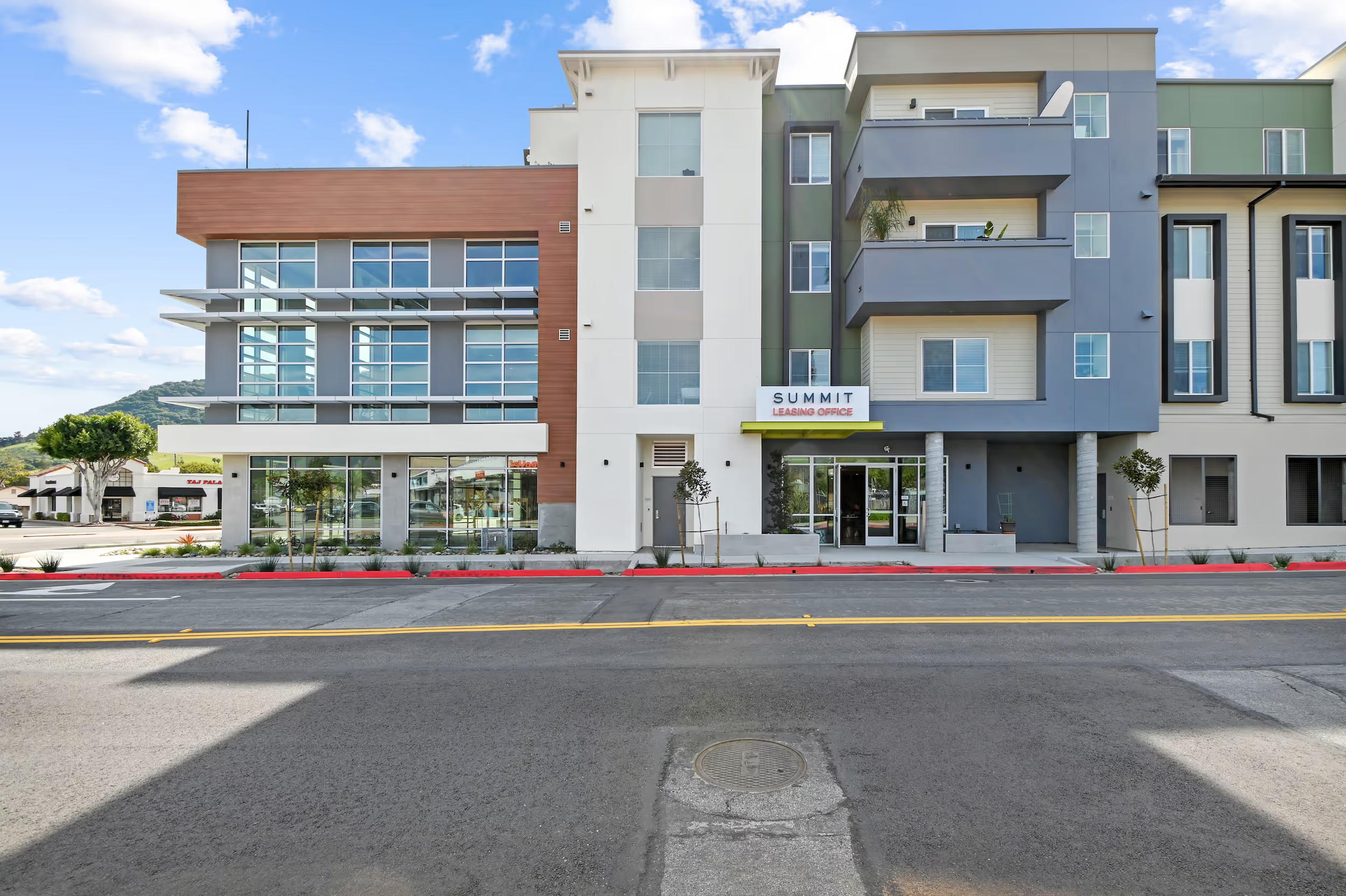
apartments walking distance campus
Choosing apartments walking distance campus can change the rhythm of college life. Instead of budgeting for parking, waiting for a bus, or crossing town between classes, you can step outside and reach lectures, labs, student clubs, and campus events on foot. The right location gives your schedule more breathing room while keeping your daily routine connected to San Luis Obispo.
Key Takeaways
- Choosing apartments walking distance campus can change the rhythm of college life.
- Instead of budgeting for parking, waiting for a bus, or crossing town between classes, you can step outside and reach lectures, labs, student clubs, and campus events on foot.
- The right location gives your schedule more breathing room while keeping your daily routine connected to San Luis Obispo.
Distance is only one part of the decision. A smart search also considers the walking route, lighting, security, lease terms, total monthly cost, and the apartment’s study and social spaces. Think of proximity as your base camp, then look for the comfort, convenience, and community that take your student experience higher.
What is apartments walking distance campus?
Apartments walking distance campus are off-campus residences close enough for a practical walk to your university. The actual distance depends on sidewalks, crosswalks, hills, traffic signals, and the location of your classes. A unit listed as “near campus” may still require a longer commute if the route lacks a direct pedestrian connection.
For a reliable assessment, map the route from the apartment entrance to the campus building you visit most often. Check the distance during daylight and after dark, then note street lighting, sidewalk condition, bicycle traffic, and nearby public areas. A route may feel effortless on a flat, well-lit street, while a shorter path with steep grades or busy intersections can add stress. Students should also confirm whether the advertised distance reflects a straight-line measurement or an actual walking route.
Housing options may include furnished apartments. The best fit balances location with livability. Review floor plans, roommate arrangements, utility policies, parking rules, guest policies, pet guidelines, and maintenance procedures so the address supports your full college routine, not just your morning walk.
At Summit SLO, published floor plans include 2- and 4-bedroom options with approximately 738 to 1,334 square feet. Apartments are fully furnished with a TV in the living room and include stainless steel appliances, granite countertops, engineered hardwood flooring, a washer and dryer, and central heating and AC. Individual leases are offered, and included utilities are high-speed Wi-Fi and cable, water, sewage and trash.
Benefits of apartments walking distance campus
The first benefit is time. Walking eliminates the daily scramble for a parking space and reduces dependence on vehicle schedules. That extra margin can make room for breakfast, office hours, a workout, or a focused study block. When I lived close to campus, the short commute created a noticeably calmer start and finish to every day. You can return home between classes, grab forgotten materials, or reset before an evening organization meeting without planning around traffic.
Transportation savings can also support a student budget. Students may reduce transportation expenses by walking to campus, depending on parking, fuel, insurance, transit use, and vehicle ownership. Compare those expenses with rent, utilities, renter’s insurance, and any required fees.
Proximity can make campus life more accessible. A nearby home simplifies attendance at early classes, late library sessions, athletic events, career fairs, and club meetings. It also makes spontaneous connection easier, whether that means meeting a roommate for coffee or joining friends at a campus program. A residence with suitable study space, high-speed Wi-Fi, and comfortable common areas can help you shift smoothly between academic focus and downtime.
Safety deserves equal attention. Students may weigh safety and campus proximity when comparing housing options. Walk the route at the hours you expect to travel, look for consistent lighting and visible entrances, and ask property staff how access control, emergency maintenance, package delivery, and security concerns are handled. A short route is not automatically a secure route.
There is a financial tradeoff to examine. Apartments closer to campus may cost more than homes farther away, depending on the local market and property. Calculate the complete value, including commute time, transportation, furnishings, utilities, amenity fees, deposits, and lease length. The goal is not simply the closest address. It is a home that delivers a strong daily return for your budget, schedule, safety, and quality of life.
How to Choose apartments walking distance campus
Choosing apartments walking distance campus starts with verifying the route, not trusting a listing headline. Open a map from the property entrance to the campus building you visit most often, then walk it at a normal pace. Check whether the path includes sidewalks, marked crosswalks, traffic signals, hills, construction zones, or gaps in pedestrian access. A listing may advertise proximity based on a straight-line measurement, while your real commute follows streets and campus entrances. Visit during the morning rush and after dark to understand the route’s lighting, foot traffic, noise, and overall comfort.
Next, evaluate the apartment itself with a student-centered checklist. Review the floor plan, bedroom dimensions, closet storage, natural light, ventilation, sound insulation, and furniture included with the lease. Ask whether high-speed Wi-Fi, water, trash service, parking, and renter’s insurance are included or billed separately. Request a written fee sheet that shows application charges, security deposits, administrative fees, utility formulas, late-payment penalties, renewal terms, and move-out requirements. Comparing the full monthly obligation is more useful than comparing advertised rent alone, especially when a short commute carries a premium.
Safety should be assessed through observable details and direct questions. Look for secure exterior doors, functioning locks, controlled building access, well-lit walkways, emergency contact procedures, and clearly marked addresses for first responders. Ask property staff how quickly maintenance requests receive attention and how after-hours issues are handled. Speak with current residents when possible, but personal impressions do not replace an in-person inspection. For evening travel, identify alternate routes, nearby public spaces, campus safety resources, and reliable transportation options for nights when walking does not feel appropriate.
Protect yourself during the search by using current listings from a university housing office, established property-management site, or verified leasing contact. Do not send money before confirming the owner or manager, touring the property, reviewing the lease, and receiving a traceable payment method. Search the address independently, compare photos with the actual unit, and request clarification when details conflict. Before signing, document existing damage with dated photos, confirm the move-in condition process, and save every email, fee schedule, addendum, and receipt. The best home near campus should support your budget and daily routine without creating uncertainty after move-in.
Frequently Asked Questions
What makes an apartment near campus a good choice?
The best fit combines a genuinely walkable route with a lease that supports your budget, schedule, and comfort. Look for a clear path to campus, reliable sidewalks, lighting, controlled building access, responsive maintenance, and a floor plan that gives you enough privacy. Study areas, high-speed Wi-Fi, laundry facilities, package security, furnished apartments, and transparent utility policies can also make daily life easier. Review the complete monthly cost before applying, including rent, deposits, parking, internet, utilities, and administrative charges.
How far is considered walking distance to campus?
A walk may be practical, though terrain, weather, crosswalks, and campus entry points affect the experience. A map’s straight-line distance does not show the route you will actually use. Walk from the property entrance to your most frequent classroom or campus destination, then check the route during both daytime and evening hours. A slightly longer route with sidewalks and well-marked crossings may feel more manageable than a shorter path with heavy traffic or steep grades.
Is it safe to walk to campus at night?
No route should be judged by distance alone. Check streetlights, visibility, pedestrian activity, traffic speed, crosswalk placement, building entrances, and access-control features after dark. Ask the leasing team about emergency procedures, lock maintenance, and after-hours support. Identify campus escort services, illuminated public areas, and alternate transportation for late-night trips. Trust your judgment when conditions feel uncomfortable, even if the apartment is close to your destination.
How can students avoid rental scams?
Use a verified university housing portal or established property-management contact, and confirm the address before sharing personal information or sending funds. Tour the actual unit, compare its condition with the listing photos, inspect the lease, and request a written breakdown of every fee. Be cautious when someone pressures you to pay immediately, refuses an in-person showing, or requests an untraceable payment. Save the lease, receipts, messages, inspection records, and move-in photographs. A legitimate rental process should provide clear documentation at every stage.