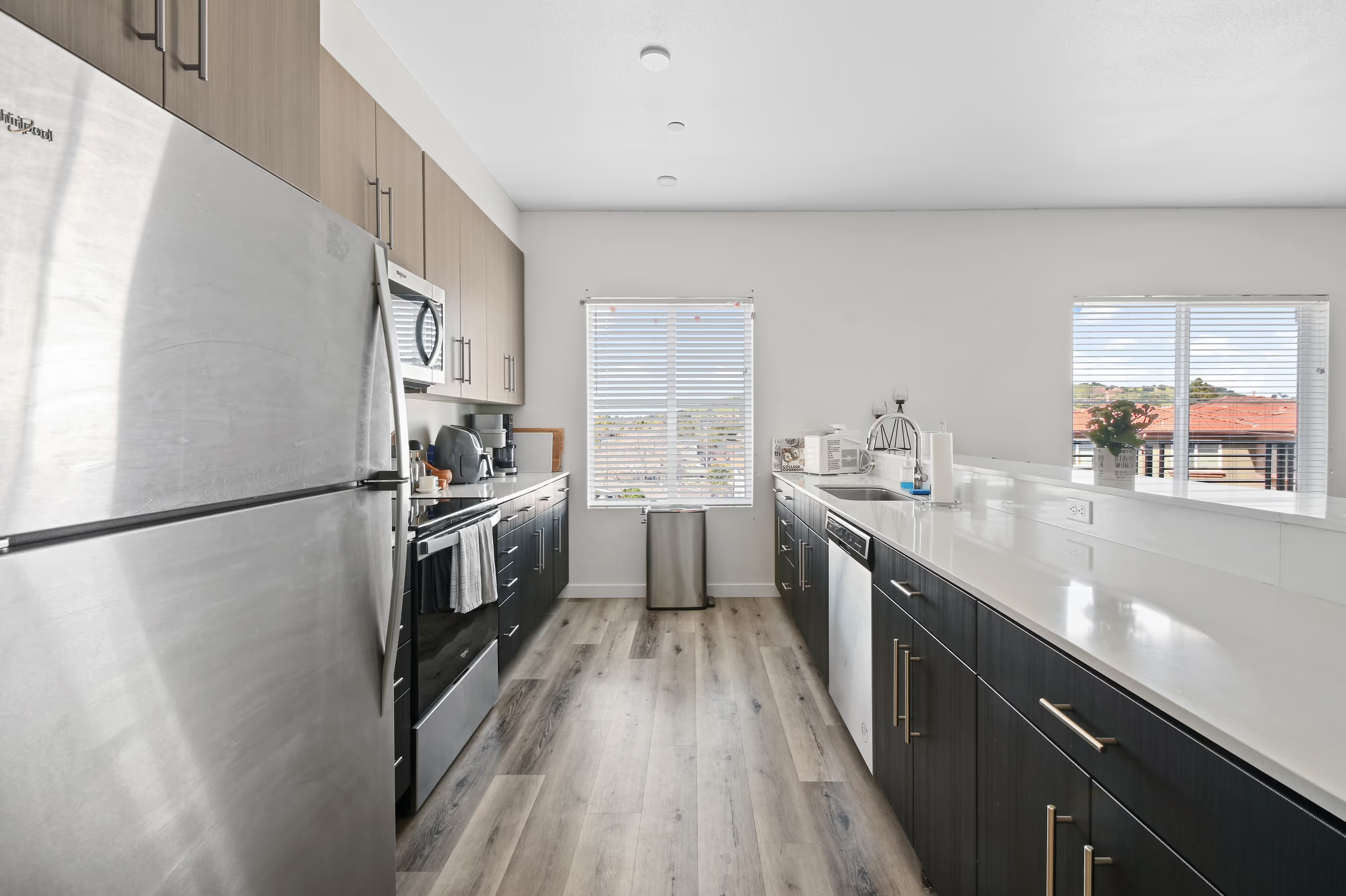
student apartments hardwood floors
Choosing student apartments hardwood floors can mean easier everyday cleanup and a polished look, with a little more care around spills, furniture, and move-out documentation. Knowing how to protect the finish before everyday college life gets underway helps you enjoy the floor without added stress.
Key Takeaways
- Hardwood floors give student apartments a polished, upscale feel while making everyday cleanup much simpler than carpet.
- Quick attention to spills protects the finish and keeps your floors looking great through finals week and beyond.
- Felt pads under furniture legs and area rugs in high-traffic spots prevent scratches without sacrificing style.
- Documenting the floor's condition at move-in helps you avoid surprise charges when it is time to move out.
- With a few simple habits, hardwood living becomes a low-stress upgrade to your college lifestyle in SLO.
Here’s how to weigh the benefits, compare common flooring types, and reduce the risk of damage charges. A few simple habits can help your apartment feel elevated while keeping floor care manageable.
Why Hardwood Floors Are a Smart Choice for Student Apartments
Hardwood can be practical for student living because its smooth surface is straightforward to sweep and wipe, and it gives a room a clean, finished appearance. It is not damage-proof: grit can scratch the finish, standing water can harm the flooring, and heavy furniture can leave dents. Basic precautions and a careful move-in inspection let you enjoy the look without treating every step like a risk.
The Real Benefits: Cleanliness, Allergies and Upscale Style
Unlike carpet, a hard surface does not hold crumbs, dust, or pet hair deep in a pile. Visible messes are easier to spot and sweep up, especially near the kitchen, entryway, or desk. Renters with hardwood floors report greater satisfaction with apartment cleanliness and allergy relief, though flooring alone cannot prevent allergy symptoms.
Hardwood also reflects light and gives a small apartment a more open, finished feel. A few furnishings and personal touches can bring warmth without hiding the floor’s natural character.
Hardwood vs. Carpet vs. Vinyl: A Student-Friendly Comparison
Each flooring type has different tradeoffs for upkeep, comfort, and everyday wear. Consider how often you cook, whether you prefer a soft landing, and how much attention you can give to spills.
| Flooring | Everyday upkeep | Comfort and look | Watch for |
|---|---|---|---|
| Hardwood | Sweep or dust, then wipe spills promptly | Smooth, bright, and polished | Scratches, dents, and standing moisture |
| Carpet | Vacuum regularly; stains may need extra attention | Soft underfoot and can help a room feel quieter | Trapped debris and visible stains |
| Vinyl | Typically easy to sweep and wipe | Available in varied patterns and finishes | Wear depends on the product and its care instructions |
Are Hardwood Floors Durable Enough for Student Life?
Yes, with reasonable care. Hardwood floors can last for decades when properly maintained, though durability depends on the floor’s condition, finish, and use. Backpack zippers, chair legs, dropped objects, and tracked-in grit can take a toll. Use felt pads beneath furniture, lift items instead of dragging them, and avoid leaving wet shoes or spills on the surface.
Bottom line: Hardwood offers lasting style and a simple-to-clean surface, not permission to ignore spills or scrape furniture across the room. Protective habits help you make the most of the upgrade.
Protecting Your Floors: A Stress-Free Guide to Avoiding Damage Charges
Repair costs or a deposit deduction can add pressure at the end of a lease. Before moving furniture in, review your lease and ask management how floor condition is documented, which cleaning methods are allowed, and how existing wear is handled. Ordinary wear and damage may be treated differently under your lease and local rules, so document the condition and get clarification in writing.
Preventing Scratches, Dents and Water Damage
Make floor protection part of move-in day. Put felt pads under chair and table legs, use a mat at the entry to catch grit, and carry furniture rather than dragging it. Keep plant pots on waterproof trays, and do not leave damp towels, umbrellas, or shoes on the floor. These steps reduce friction, pressure marks, and moisture exposure.
What to Do When You Spill: A 60-Second Response Plan
Respond promptly with a soft cloth and light pressure. Do not let liquid sit or spread it across the floor. Avoid soaking the area or applying a cleaner unless its label and your lease guidance allow it. For a large spill, persistent mark, or signs of swelling, contact property management and ask for the approved next step.
- Blot the liquid with a clean, absorbent cloth.
- Wipe the spot gently with a dry or lightly damp cloth, as appropriate for the flooring instructions.
- Dry the area fully and check for discoloration or changes in the surface.
- Report damage promptly and keep a record of your communication.
Move-In and Move-Out Inspections: Document Everything
At move-in, photograph each room in good light, including close-ups of scratches, dents, stains, gaps, and areas near appliances or doors. Save dated images with your lease documents and submit condition concerns through the property’s official process. At move-out, take another set after removing your belongings and completing the required cleaning. These records give you and management a reference when reviewing the apartment’s condition.
Common Damage Charges and How to Sidestep Them
Potential concerns include gouges from dragged furniture, deep scratches, water-related damage, and stains that remain after cleaning. Prevent them with floor pads, prompt spill response, and care instructions for your specific flooring. If you notice damage, report it rather than attempting an unapproved repair that could worsen the finish. Keep inspection photos, written notices, and move-out records together in case a charge appears.
Cleaning and Care: Simple Routines That Keep Floors Looking New
A dependable cleaning routine does not need to take over your week. Remove grit before it scratches the finish and clear spills before moisture lingers. Check your lease or flooring care instructions first, since finishes may call for different methods. If you are unsure, ask property management which products and tools are approved. Consistent upkeep keeps cleaning manageable between classes, work shifts, and other commitments.
A Weekly Cleaning Routine That Fits a Student Schedule
Set aside a few minutes once a week to clear loose debris and address smudges or sticky spots. Sweep with a soft-bristle broom or use a vacuum setting designed for hard floors. If care instructions allow damp cleaning, use a well-wrung microfiber mop rather than leaving water on the surface. Clean high-traffic paths, the kitchen, and the entry first, where tracked-in dust and crumbs tend to collect. Wipe fresh spills as they happen.
- Move small objects and loose rugs before sweeping.
- Use a soft attachment if vacuuming, and avoid a beater bar.
- Spot-clean with an approved method, then leave the area dry.
- Check beneath the sink and around the refrigerator for drips or dampness.
Safe Products and Tools, and What to Avoid
Choose floor-care products labeled for the specific flooring and finish in your apartment. A dry microfiber dust mop collects fine particles without rough scrubbing, while a soft cloth works for a small spill. Avoid abrasive pads, steel wool, steam cleaners, and products that leave a waxy or oily coating unless the flooring instructions explicitly permit them. Too much water can also cause problems, even when a product is marketed as gentle. If a cleaner’s directions are unclear, check before testing it in a visible spot.
Budget-Friendly Rugs, Pads and Protectors Worth Buying
Small protective purchases can make routine care easier. A washable entry mat catches grit before it travels through the apartment; a rug pad keeps an area rug from shifting, provided its material is approved for the floor finish. Felt furniture pads help limit scuffs when chairs move, and a chair mat designed for hard flooring can protect the spot beneath a desk chair. Check pads and rugs for trapped dirt or moisture, and lift them during cleaning so the surface beneath can dry. These additions offer comfort and protection without covering every inch of the floor.
Making Hardwood Floors Feel Cozy: Decorating Tips for Small Apartments
Hardwood can make a compact apartment feel open and polished, though bare surfaces may seem chilly or echoey. Add soft textures where you rest, study, and gather, while leaving clear paths through the room. In San Luis Obispo, where a sunny afternoon can turn into a cool evening, layered lighting and comfortable textiles help your apartment suit focused study and a relaxed night in.
Layering Textures: Rugs, Lighting and Warm Colors
Start with one area rug beneath a seating group or beside the bed. Choose a size that anchors the furniture without crowding walkways, and use a floor-safe pad if the flooring instructions allow it. Add warmth with a knit throw, textured pillows, and curtains that soften window light. A table lamp or adjustable desk lamp brings a more inviting glow than overhead lighting alone. Earthy colors, warm neutrals, and personal accents can complement the wood tone without making a small room feel busy.
Furniture Layouts for Open Floor Plans
Give each part of an open room a clear purpose. A sofa can define the lounge area, while a desk near a window creates a study zone. Keep routes between the entry, kitchen, and seating area open, and choose furniture that fits without blocking natural light. Plan where a heavy piece will go, then lift it with help instead of dragging it across the floor. A compact bookcase or narrow console adds storage while preserving visible floor, helping the apartment feel less crowded.
Roommate Floor Care Agreements Made Easy
A shared plan can prevent small habits from becoming roommate friction. Agree on who handles weekly sweeping, where wet shoes and umbrellas belong, and how quickly everyone will report a spill or leak. Put the plan in a shared note so no one has to guess which cleaning method is approved. Keep expectations realistic: a quick cleanup after cooking and replacing a moved rug are easier to maintain than an elaborate chore chart.
Experience Engineered Hardwood Floors at Summit SLO
When choosing among student apartments hardwood floors, the floor plan and experience beyond your front door matter as much as the finish underfoot. Summit SLO brings engineered hardwood floors into fully furnished student apartments, pairing a polished foundation with a home base you can make your own. For students balancing classes, campus commitments, and downtime, that can make settling in feel like a step up, not another project.
Durable, Stylish Floors in Every Fully Furnished Floor Plan
Summit SLO offers five named floor plans: The Bishop, The Cerro, The Madonna, The Osos, and The Canyon. Each is fully furnished and features engineered hardwood floors, so you can consider the layout and furnishing setup alongside the flooring. Engineered wood has a real-wood surface over a constructed core; its performance and care needs depend on the specific product and finish. Review your lease and any care guidance provided for your apartment before choosing cleaning products or making changes to the space.
Before signing, think through where you’ll study, sleep, and spend time with roommates. A plan that suits your daily routine can make furniture placement feel natural and help the apartment function well from move-in. Ask the Summit SLO team which layout fits your priorities and what furnishings are included in your selected home.
Amenities That Elevate Life Beyond Your Apartment
Your apartment is one part of college life. Summit SLO’s community setting offers another place to connect, recharge, or find a change of pace between study sessions. When you explore the property, ask which amenities are available, how residents access them, and whether spaces or services have specific hours or policies. Those details help you picture how the community may fit your schedule, from a focused week of classes to an evening with friends.
Consider the complete living experience, including the apartment, furnishings, shared spaces, and location, in relation to how you want to spend your college years.
Your San Luis Obispo Location Advantage
San Luis Obispo has a distinctive college-town rhythm, with Cal Poly and local destinations shaping the week. Summit SLO gives students a home base in that setting. Before choosing a floor plan, map your regular routes to campus, classes, work, and places you visit often. Check current travel options and timing for your schedule rather than assuming every trip will take the same amount of time. A location that works with your routine can make it easier to balance academics and time off.
Hardwood Floors in Student Apartments: Questions to Ask
Are engineered hardwood floors a good fit for student living? They can be, especially when you value a finished look and follow floor-specific care instructions. Ask about the finish and approved cleaning methods before move-in.
Can I make the floors feel warmer? Yes. Use rugs and soft furnishings where you relax or study, and confirm that rug pads are suitable for the flooring. Follow property guidance as you arrange the space.
How do I avoid surprises about floor condition? Review the lease, ask how existing wear is recorded, and keep dated move-in documentation. Clear expectations give you a more confident start.
Ready to find your SLO home base? Explore Summit SLO’s floor plans, ask the leasing team about current availability, and choose the setup that fits your next chapter.
Frequently Asked Questions
Are hardwood floors durable enough for student apartments?
Yes, hardwood floors are durable enough for student apartments when maintained with simple habits. Grit, chair legs, and dropped items can wear the finish over time, so use felt pads, lift furniture instead of dragging it, and avoid leaving wet shoes or spills on the surface.
How do I prevent scratches and water damage on hardwood floors?
Prevent scratches and water damage by adding felt pads under furniture legs, placing an entry mat to catch grit, and carrying furniture rather than dragging it. Keep plant pots on waterproof trays and never leave damp towels, umbrellas, or wet shoes sitting on the floor.
What should I do if I spill something on hardwood floors?
Blot the spill immediately with a clean, absorbent cloth using light pressure, then wipe gently and dry the area fully. Avoid letting liquid sit or soak the floor, and contact property management about any large spill, persistent mark, or sign of swelling.
Will I be charged for floor damage when I move out?
You may face charges for damage beyond ordinary wear, such as gouges from dragged furniture, deep scratches, or water damage. Document the floor's condition at move-in with dated photos, report issues promptly, and keep inspection records to protect your deposit.
How can I decorate my apartment to make hardwood floors feel cozy?
Make hardwood floors feel cozy with area rugs, soft furnishings, and warm lighting that add comfort without hiding the floor's character. Hardwood reflects light and makes a small space feel open, so a few personal touches bring warmth while keeping the polished look.
Are hardwood floors better than carpet for students with allergies?
Hardwood floors are often a smart pick for allergy-sensitive students because they do not trap dust, crumbs, or pet hair the way carpet does. Visible messes are easier to spot and sweep, and many renters report greater satisfaction with cleanliness, though flooring alone cannot prevent allergy symptoms.
What cleaning routine keeps hardwood floors in a student apartment looking new?
A quick weekly routine of sweeping or dusting to remove grit, plus prompt wipe-ups of spills, keeps hardwood floors looking new. Check your lease or flooring care instructions before using any cleaner, and ask property management which products are approved.