student apartment community spaces
Student apartment community spaces should earn their square footage every week, not simply photograph well during a leasing tour. A useful rooftop, study lounge, or fitness center can reduce daily friction, support social connection, and give your college routine a higher altitude. A weak amenity package may raise rent while leaving you in your bedroom, at a commercial gym, or searching for a quiet place to finish an assignment.
Key Takeaways
- Prioritize amenities you will use weekly, not just features that photograph well during a tour.
- A strong study lounge or fitness center cuts daily friction and saves you trips to campus or a commercial gym.
- Social spaces like a rooftop or common lounge make it easier to connect with neighbors without leaving the building.
- Weak amenity packages often inflate rent while leaving you stuck in your bedroom or searching elsewhere for quiet space.
- Evaluate each community space by how much it actually improves your routine, not by how impressive it looks on paper.
Evaluate access, equipment, acoustics, comfort, maintenance, and fit with your schedule. The name of an amenity matters less than whether residents can use it regularly.
Change Your Altitude: Why Community Spaces Define Your College Living
The Summit Difference: Beyond Basic Student Housing
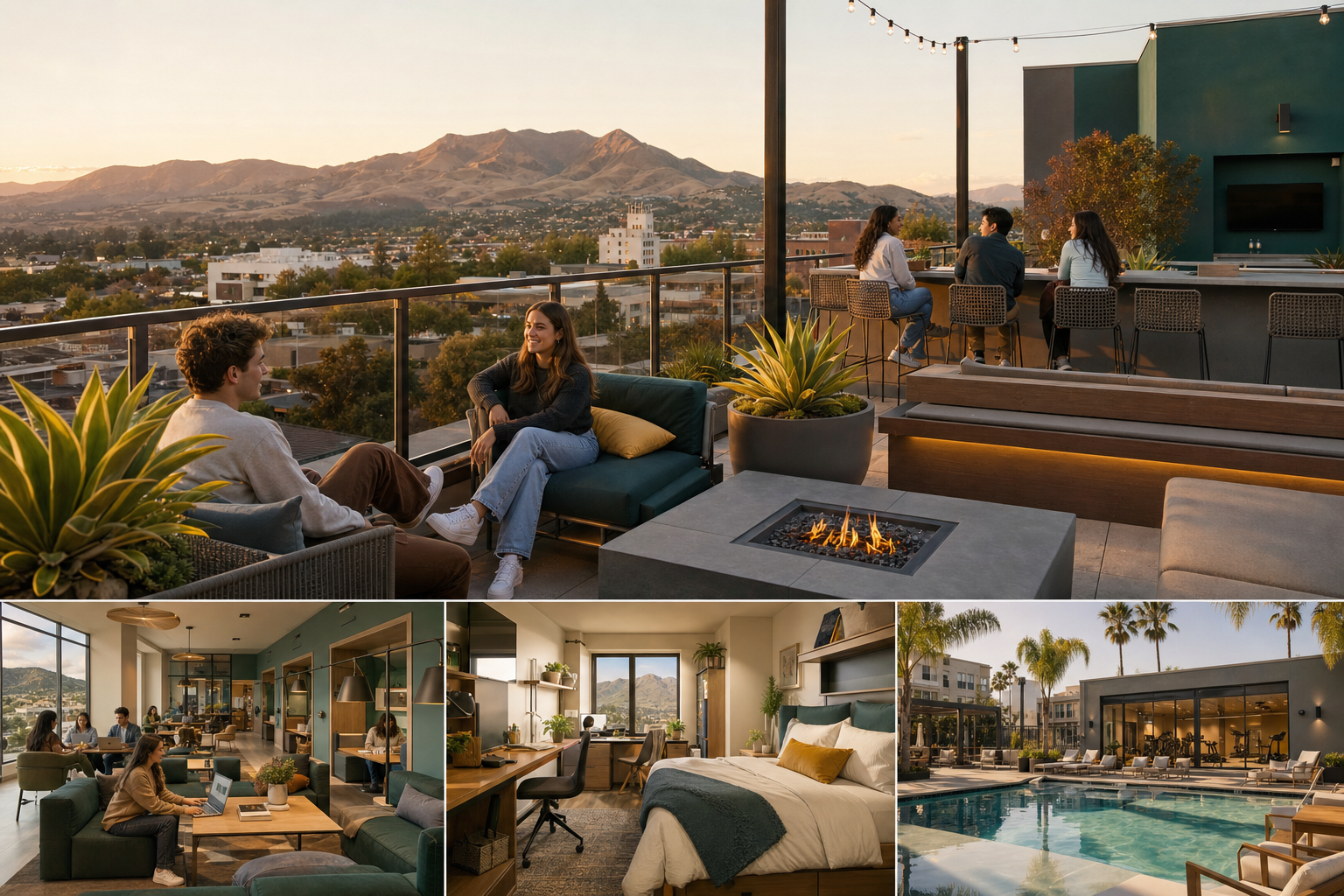
Basic housing gives you a place to sleep. Thoughtful student apartment community spaces give your week room to work, recover, connect, and recharge. A study lounge can separate classwork from your bedroom. A properly equipped fitness center can make a workout possible between lectures. A rooftop terrace or courtyard can support a shared dinner, sunset conversation, or study break.
Value depends on repeatable use, not the number of amenities listed online. Check hours, seating, outlets, Wi-Fi coverage, lighting, temperature control, and proximity to apartments. A pool that closes before students return from class has limited practical value. A lounge with attractive furniture but no power access is decoration, not infrastructure.
Your College Life Upgrade Starts Here
Community design can affect academic balance. Student engagement research reports up to 25% higher satisfaction with academic-life balance among off-campus learners who have dedicated, quiet collaborative study areas in their residential building, compared with students working strictly in dorm rooms. Ask whether the property supports focused work without forcing every resident into one crowded table.
The best spaces also make connection feel natural. A kitchen beside a lounge encourages shared meals, outdoor grills give roommates a reason to gather, and flexible seating lets someone join a conversation without interrupting a study session.
Navigating the Amenity Maze: What Truly Matters
Start with frequency, not flash. Ask which spaces residents use during a typical week, who maintains them, and whether capacity is adequate during peak hours. Look for commercial-grade strength equipment, quiet zones, reliable high-bandwidth connectivity, durable surfaces, and seating suited to both short visits and longer sessions.
The Utility Reality Check: Evaluating Student Apartment Community Spaces
Academic Sanctuaries: Study Lounges, Focus Pods, and Connectivity
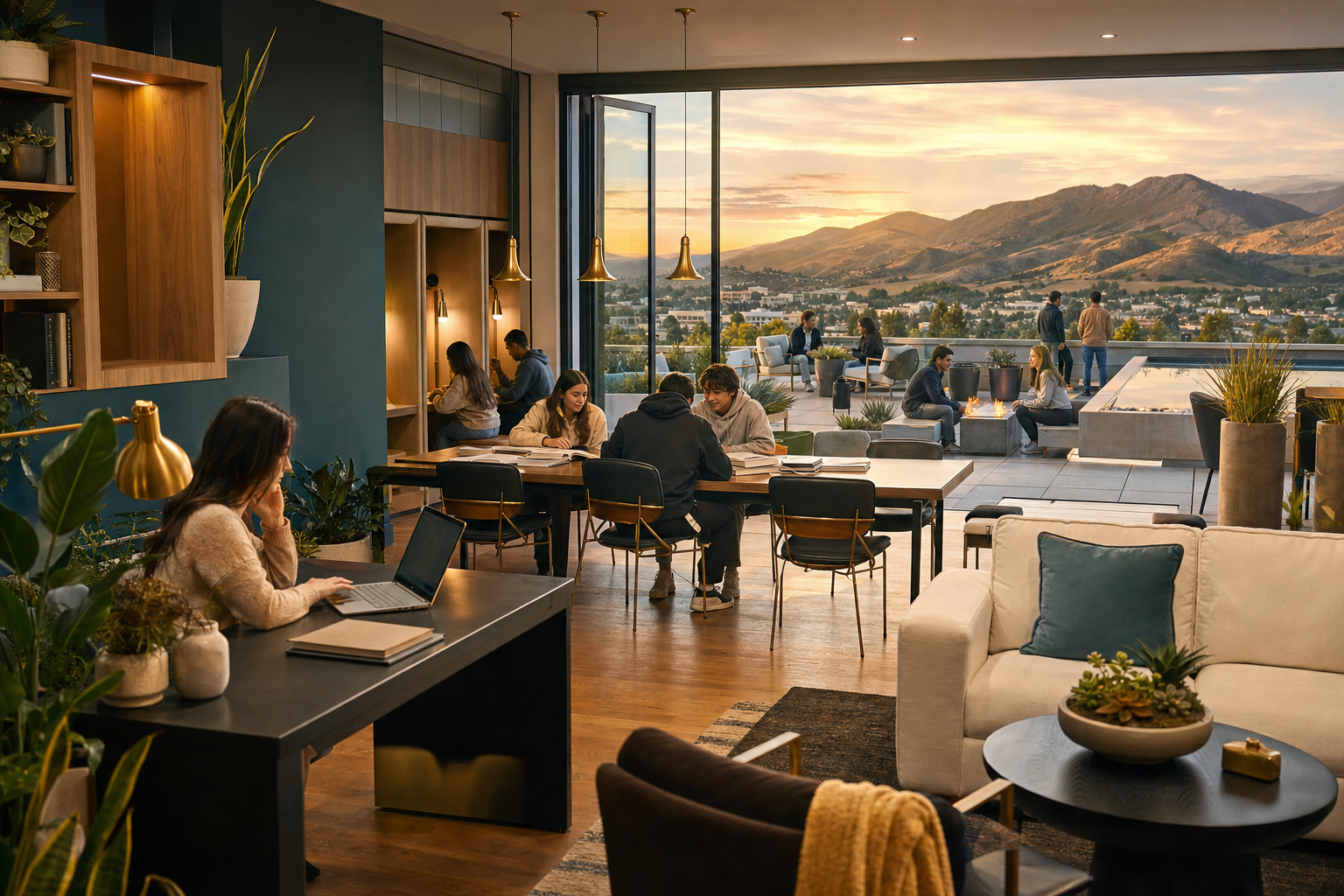
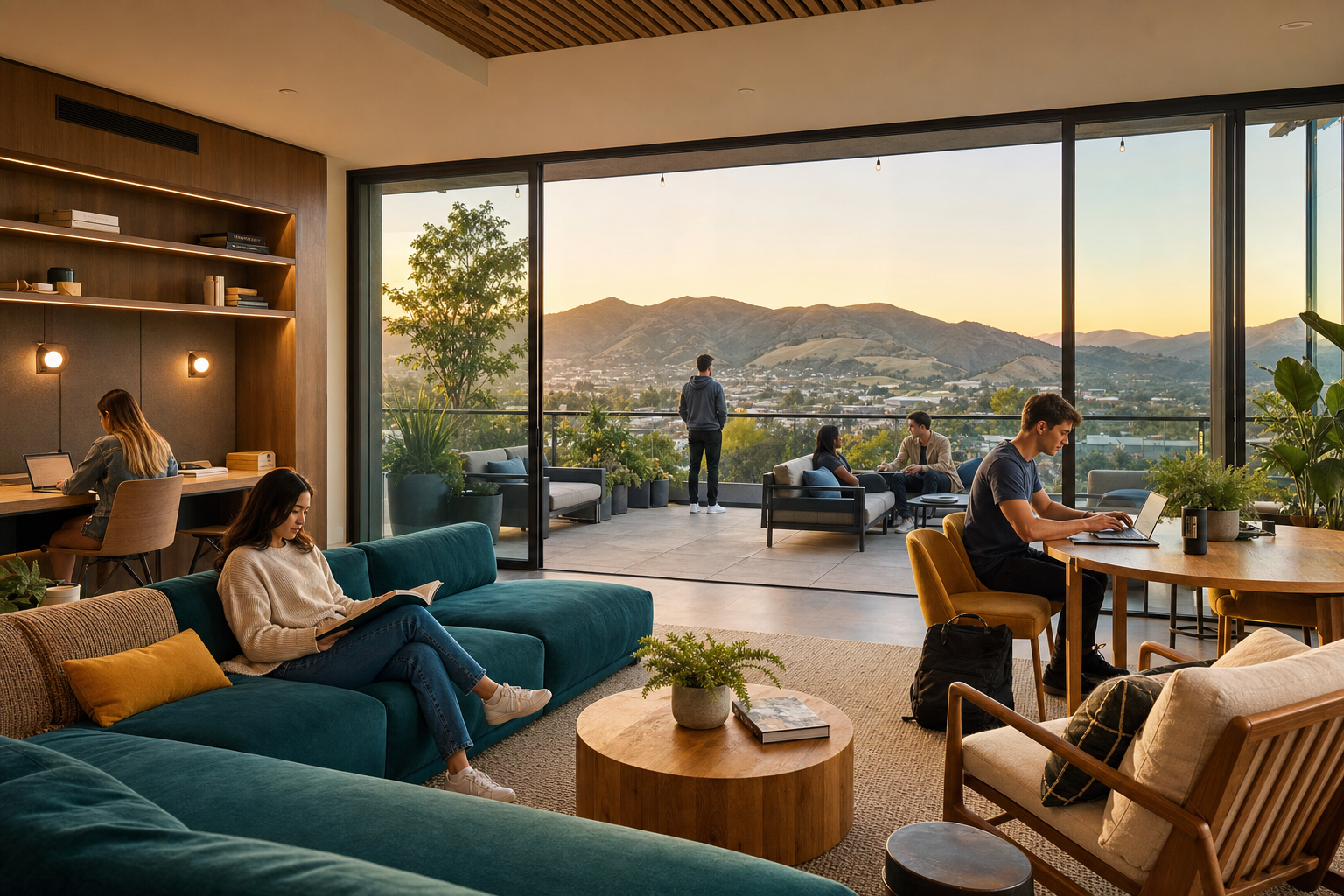
A study lounge should support several work styles. Look for individual carrels, collaborative tables, task chairs, acoustic separation, whiteboards, and nearby outlets. Focus pods help during exam season, while larger tables support project teams. Ask whether the room is near a game room or television area, since sound transfer can defeat a polished workspace.
Confirm that Wi-Fi reaches every seat, video calls are practical, and power hubs are distributed throughout the room. Multifamily operational reviews report less than 15% weekly recurring utilization for generic business centers with a few desktops. Students usually need adaptable rooms for their own laptops, schedules, and study habits.
Peak Performance Hubs: Fitness Centers and Wellness Zones
A token apartment gym may include light cardio machines and little else. A useful fitness center should offer free weights, adjustable benches, cable stations, squat racks or comparable strength options, resistance equipment, stretching space, and clear circulation paths. Check equipment numbers against the resident population, plus ventilation, mirrors, flooring, cleaning supplies, and maintenance procedures.
Student surveys on off-campus housing report that more than 65% of residents keep separate commercial gym memberships when their building fitness rooms provide only light cardio equipment instead of dedicated strength training equipment. Wellness amenities may also include recovery areas, outdoor exercise zones, or rooms for yoga and mobility work. The goal is a sustainable routine without another commute.
Social Summits: Rooftops, Courtyards, and Gathering Areas
Outdoor areas become valuable when they are comfortable, accessible, and usable without an event calendar. Inspect shade, weather protection, seating groups, lighting, grills, dining surfaces, fire features, and nearby restrooms. A rooftop with only a few chairs will not support a group dinner or busy weekend evening. Courtyards should provide enough separation from traffic and apartment windows for relaxed conversation.
Multifamily and student housing operational reviews report that residents use outdoor rooftops, pools, and barbecue grills up to three or four times per week during warm seasons. Comfort and repeat access create social value more reliably than oversized rooms that sit empty.
The Gimmick vs. Gold Standard: A Feature-by-Feature Breakdown
Evaluate every feature by asking whether it will improve an ordinary week. During a tour, ask about operating hours, peak-time access, maintenance responsibility, and reservation rules.
| Space | Low-value signal | Gold-standard signal |
|---|---|---|
| Study lounge | One open room with decorative seating and limited outlets | Quiet zones, group tables, task lighting, strong Wi-Fi, and distributed power |
| Fitness center | Light cardio equipment with no meaningful strength area | Free weights, racks or cable systems, benches, ventilation, and room to move safely |
| Rooftop or courtyard | Small seating cluster exposed to sun with limited operating access | Shade, durable furniture, lighting, grills, dining areas, and comfortable circulation |
| Game or entertainment room | Single-purpose equipment that serves a narrow group | Flexible seating, multiple activities, clear rules, and usable space for mixed groups |
- Prioritize repeat use: Choose features that fit between classes, study sessions, meals, and workouts.
- Check capacity: A beautiful room loses value when residents must reserve it days in advance.
- Look for inclusion: Seating variety, accessible routes, and multiple activity types help more residents participate.
- Watch for maintenance clues: Clean equipment, working outlets, intact furniture, and current schedules reveal operational care.
Architectural Intent vs. Floorplan Cramming: Designing for Daily Life
The Art of Breathing Room: How Shared Spaces Create Balance
Good student apartment community spaces give residents alternatives to a bedroom, kitchen counter, or crowded hallway. A quiet corner supports focused work, a lounge allows downtime, and an outdoor terrace provides fresh air without a separate trip. This separation helps an apartment function as a home rather than one room handling studying, eating, socializing, and recovery.
Consider proportion as well as square footage. A large lounge with limited seating, harsh lighting, or constant noise may feel smaller than a divided room. Acoustic treatments, soft furnishings, clear paths, and varied seating create usable zones while preserving connection.
Intentional Design: Creating Flow and Connection
Design intent appears in the route between spaces. Can you move from the elevator to a study area without crossing a party zone? Is the shared kitchen near dining tables and lounge seating? Do outdoor areas connect naturally to lounges, restrooms, and elevators? These relationships reduce friction.
Power hubs should sit near work surfaces, tables should fit laptops and notebooks, and doors should limit sound travel into quiet areas. Reliable high-bandwidth fiber, balanced lighting, ergonomic chairs, and climate control support longer stays. Fitness rooms also need clear circulation, durable flooring, storage, and separation between strength training and stretching.
Beyond the Brochure: Spotting Developer Flips vs. Thoughtful Builds
A polished amenity package can disguise a property built around maximum occupancy rather than daily livability. Check whether rooms match the resident count. A compact lounge with decorative chairs may look expansive in wide-angle photography but fail during exams or weekend gatherings. Watch for narrow corridors, undersized elevators, limited storage, and furniture meant for staging.
Ask when the building was designed, not only when it was renovated. A thoughtful build shows consistency among floorplans, community areas, utilities, lighting, and maintenance access. Staff should explain cleaning schedules, furniture replacement, internet service, and equipment repairs.
Elevated Living: How Design Impacts Your Well-being
Daylight, views, comfortable temperatures, low background noise, and outdoor air can make a long week more manageable. When shared areas offer genuine choices, residents are less likely to remain isolated in bedrooms or abandon routines requiring a separate commute.
Architectural quality is whether the building supports ordinary habits. Design cannot replace community, but it can make studying, exercising, meeting neighbors, and recharging easier to repeat.
Your In-Person Amenity Inspection: The Checklist for Peak Value
Arming Yourself: What to Look For Beyond the Gloss
Marketing photos show possibility, not always reality. Tour during a busy time when possible, then compare the lived experience with leasing images. Notice capacity, furniture durability, and comfort without professional staging. Ask about access hours, guest policies, reservations, internet service, cleaning, and repairs. A strong package should function on a regular Tuesday.
- Confirm posted hours, access methods, and peak-use policies.
- Test Wi-Fi, outlets, lighting, temperature, and cell reception.
- Count usable seats rather than decorative chairs.
- Ask how often staff clean, inspect, and replace equipment.
- Compare shared-space capacity with the number of residents.
The Walkthrough: Inspecting Fitness Facilities
Do not accept “fitness center” as proof of a complete workout option. Look for free weights, adjustable benches, cable machines, squat racks or a comparable strength station, resistance equipment, stretching space, and safe clearance. Check flooring, ventilation, inspection tags, popular machines, and repair response time. If the room supports only light cardio, calculate the added cost and travel time of an outside gym membership.
Assessing Study Spaces: Functionality Over Form
Sit in several locations and listen for hallway noise, televisions, elevators, and nearby conversations. Look for task lighting, ergonomic chairs, individual stations, group tables, whiteboards, and reachable outlets. Test internet from more than one seat. Ask about reservations and quiet-hour enforcement. The best academic spaces support both focused work and collaboration.
Social Spaces: Is It Inviting or Just Empty Square Footage?
Inspect seating, shade, lighting, grills, dining surfaces, weather protection, restrooms, and routes between indoor and outdoor areas. Ask whether residents use the pool, courtyard, or grill area outside organized events. If a space feels exposed, inconvenient, or difficult to access, its square footage may not create meaningful connection.
Spotting Wear and Tear: Signs of Neglect vs. Quality Maintenance
Examine upholstery, flooring, cabinet hardware, exercise cables, grills, pool furniture, doors, and restroom fixtures. Look for stains, loose components, burnt-out bulbs, overflowing trash, damaged outlets, or signs covering broken equipment. Several unresolved issues suggest weak operations. Ask about repair procedures and response times, document concerns, and request written answers before signing when rent depends on shared amenities.
Unlock Your Peak: Making the Right Choice for Your College Journey
Connecting with Community: Roommate Matching and Social Facilitation
Community begins before move-in. Ask how roommate matching considers lifestyle, sleep schedules, cleanliness, study habits, and shared expectations. Look for resident events and spaces that make introductions natural, including communal kitchens, flexible lounges, and outdoor gathering areas.
All-Inclusive, No Compromises: The Summit SLO Advantage
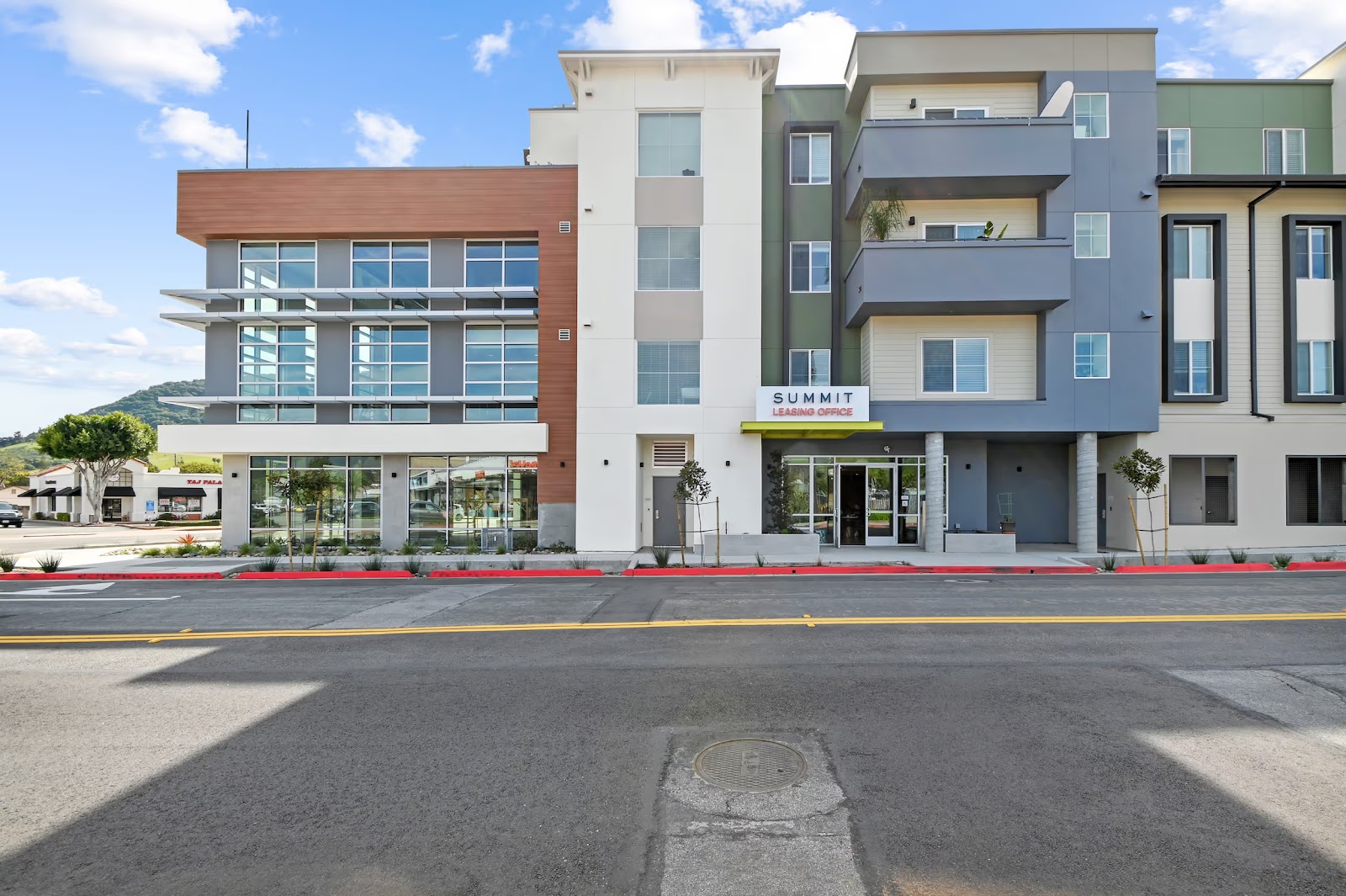
Summit SLO brings study, fitness, recovery, and social spaces into one elevated daily routine. Evaluate the property through your schedule: a morning workout, afternoon study session, and evening on the rooftop should all feel convenient and attainable.
Ready to Elevate Your Living? Tour Summit SLO Today
See the details for yourself. Schedule a Summit SLO tour, test the spaces, ask direct questions, and reserve your spot before availability narrows. Change your altitude with a home designed for the full college experience.
Frequently Asked Questions
What amenities matter most in student apartment community spaces?
The highest-value student apartment community spaces remove recurring obstacles from college life: quiet study rooms with plentiful outlets, fitness centers with real strength equipment, and outdoor areas with shade, seating, and lighting. Novelty features matter less than whether you can actually use a space every week.
How can I tell if a study lounge is actually usable?
A truly usable study lounge offers quiet zones, group tables, task lighting, strong Wi-Fi, and power outlets distributed throughout the room. On a tour, ask whether the lounge sits next to a game room or TV area, since sound transfer can defeat even the most polished workspace.
What should a good student apartment fitness center include?
A quality student apartment fitness center should include free weights, squat racks or cable stations, adjustable benches, resistance equipment, stretching space, and clear room to move safely. Buildings offering only light cardio often leave residents commuting to a commercial gym instead.
Are rooftop terraces and courtyards worth it in student housing?
Rooftops and courtyards are worth it when they offer shade, weather protection, comfortable seating groups, lighting, grills, and nearby restrooms. Operational reviews show residents use well-designed outdoor spaces up to three or four times per week during warm seasons, which is real repeat value.
What questions should I ask during a student apartment tour about amenities?
Ask which spaces residents actually use during a typical week, who maintains each amenity, whether capacity holds up during peak hours, and what the operating hours are. Reservation rules and maintenance responsibility reveal whether a feature is infrastructure or just decoration.
Do community spaces really improve academic-life balance for students?
Student engagement research reports up to 25% higher satisfaction with academic-life balance among off-campus learners who have dedicated, quiet study areas in their building. A real study lounge separates classwork from your bedroom and makes focused work practical between lectures.
Should I keep my gym membership if my apartment building has a fitness center?
More than 65% of off-campus residents keep separate commercial gym memberships when their building's fitness room offers only light cardio instead of dedicated strength equipment. Before signing a lease, compare the equipment count to the resident population and confirm maintenance procedures.