covered student parking
At Cal Poly, getting to class is only part of the daily commute. Finding a dependable place to leave your car can shape your morning, your budget and how comfortable you feel coming home after dark. Covered student parking offers a different starting point: protection from the Central Coast sun, a shorter route to your apartment and a designated place to park instead of another round of searching.
Key Takeaways
- Covered parking shields your car from the relentless Central Coast sun, keeping it cooler and better protected every day.
- A reserved spot means no more circling the block or racing home hoping something opens up.
- Parking close to your apartment shortens the walk home, a real comfort when you are returning after dark.
- Where you leave your car each day quietly shapes your morning routine, your monthly budget and your overall peace of mind.
- Summit SLO treats parking as a core part of student living, not an afterthought tacked onto the lease.
We talk with students balancing labs, internships, club meetings, grocery runs and late study sessions. Their parking questions are practical: Is the space reserved? How far is it from home? What happens when the fog rolls in or the last bus is full? The right answers can help you choose housing that supports your college life instead of draining it.
The Parking Reality at Cal Poly: Lotteries, Long Walks and Limited Spots
Campus parking often involves permits, eligibility rules, space caps and designated zones. A permit may allow access to a particular area without promising an open stall when you arrive. At large public universities, annual student permits can range from $359 to $753. Cornell publishes student parking rates and restrictions through its transportation and delivery services office, while North Carolina State University explains that first-year students enter a lottery for a limited number of permits. Policies differ by campus, yet the pattern is familiar: demand can exceed supply.
How lottery systems and space caps shape the campus parking experience
When permits are capped, students may wait for an assignment, accept a remote lot or change their transportation plans. That uncertainty is difficult for students with early classes, mobility needs, work schedules or equipment to carry. Even an approved permit can require patience during peak arrival windows, when the most convenient stalls fill first.
The true commute cost: distant lots, crowded buses and late-night walks
A parking plan includes more than the drive. It also includes the walk from the vehicle, the wait for a campus shuttle and the time needed to reach home after an evening class. Park-and-ride service may reduce central congestion, yet crowded buses and fixed schedules may not match your calendar. A long walk across a dim area can feel stressful when you are alone, carrying a laptop or returning after a late lab. Those minutes add up across a quarter.
“Covered parking is expensive and scarce; roofs cost money.”
Why San Luis Obispo adds its own parking pressure, campus, downtown and everything between
San Luis Obispo combines a compact downtown, popular restaurants, active neighborhoods and a busy university community. Students may use a car for coastal trips, errands, work or visits home, then return to compete for a street space near their apartment. Event traffic and visitor demand can tighten availability beyond campus boundaries. A private residential garage can give you a reliable home base between classes, downtown plans and weekends on the Central Coast.
For many students, the better question is not whether a permit exists. It is whether the entire parking routine feels predictable, protected and close enough to make daily life easier.
Covered Student Parking vs. Uncovered: What the Difference Really Means
Covered student parking places a vehicle beneath a roof or inside a parking structure, while uncovered parking leaves it exposed to direct sunlight, fog, rain, condensation, debris and changing temperatures. A covered garage can reduce weather exposure, provide a defined route between home and car and make evening arrivals feel more controlled. The experience still depends on lighting, access procedures, surveillance, stall assignment and the distance between the garage and your building.
Weather protection on the Central Coast: sun, coastal fog, rain and morning condensation
San Luis Obispo brings bright sun, coastal moisture, winter rain and cool morning condensation. Repeated exposure can mean more cleaning and may contribute to fading, water spotting, damp surfaces or heat buildup inside the cabin. A roof does not eliminate maintenance, but it creates a buffer between the vehicle and the elements while you attend lectures, work a shift or study at the library.
Security and lighting: covered structures vs. open lots and street parking
Covered parking is not automatically secure, so ask how the property manages access. Look for controlled entry, functional lighting, clear sightlines, cameras where appropriate and a pedestrian route that does not require crossing an isolated area. A garage connected to a residential building can shorten the transition from car to front door. Street parking and open lots may offer less consistency, with changing neighbors, variable lighting and no assurance that a nearby space will be available when you return.
Convenience: steps from your door vs. a hike across campus
Distance changes the value of a parking space. A stall near your apartment makes unloading groceries, transporting project materials and returning after evening activities more manageable. It also gives you more control over your schedule because you are not adding shuttle routes or distant lots to every trip. When touring housing, walk the full path from the garage to the elevator, apartment entrance and common areas. Count stairs, gates, lighting transitions and the distance you would cover with a backpack in the rain.
| Parking type | Weather exposure | Access and convenience | Questions to ask |
|---|---|---|---|
| Uncovered lot | Direct sun, fog, rain and debris | May require a longer walk or shuttle connection | Is a stall assigned, and what happens when the lot fills? |
| Street parking | Fully exposed to outdoor conditions | Availability can change throughout the day | Are there permit zones, time limits or street-cleaning restrictions? |
| Covered garage | Roofed protection from much of the weather | Often offers a more direct residential route | Is access controlled, well lit and tied to a reserved stall? |
The Hidden Cost of Uncovered Parking: Time, Wear and Peace of Mind
Uncovered parking can look like the lower-cost choice until you count the expenses that follow you through the school year. Direct sun, coastal moisture, rain, dust and temperature swings can increase cleaning and maintenance needs, while a distant stall can add minutes to every trip home. Covered student parking helps you evaluate the full value of a space, not only the line item attached to a permit or housing package.
Car care math: paint, interior, battery life and resale value
Central Coast weather is generally mild, yet parked vehicles still face intense sunlight, morning condensation, rain and airborne debris. Over time, exposure may contribute to paint fading, water spots, dashboard dryness, upholstery wear and a hotter cabin when you return from class. A roof cannot prevent every maintenance issue or guarantee a higher resale price. It can reduce direct exposure during long parking periods, which may help you spend less time cleaning, conditioning and protecting the vehicle.
Battery health also depends on vehicle age, driving frequency, temperature and maintenance. Parking conditions are only one piece of the picture. Treat the garage as a protective feature that supports car care, not as a promise of specific savings. Students with newer vehicles, dark paint, sensitive interiors or long gaps between drives may place more value on that buffer than someone who uses a car only on weekends.
Permits versus housing packages: how to compare the numbers without guessing
Start with current figures from the specific campus and property. University permit prices, eligibility rules, renewal dates, zone access and availability can change, so review the official transportation office before making a budget. Check whether a permit reserves a stall or only authorizes parking in a designated area. Then ask housing staff whether garage access is reserved, assigned, optional, bundled with rent or governed by a separate agreement.
Build a simple annual worksheet with rent, parking, fuel, tolls, cleaning, maintenance and transportation alternatives. Add the value of covered access, proximity to home and predictable availability as practical benefits rather than guaranteed dollar savings. This keeps the decision grounded in your schedule and vehicle needs instead of an advertised base price.
What your time is worth: minutes saved every single day
Track a typical week: time spent searching, walking from a remote lot, waiting for a shuttle, carrying groceries and returning to your car after evening activities. Multiply that routine across your academic calendar. Even a short delay can affect meals, study blocks, work shifts and sleep. A nearby resident space can turn parking into a predictable step between your apartment and the rest of SLO.
The practical tradeoff
Pros
- Less direct exposure to sun, rain, fog and debris
- A more predictable place to leave your vehicle
- Shorter trips for groceries, gear and late-night arrivals
- Greater control over a daily schedule
Cons
- Parking terms may add to the housing commitment
- Garage access can include rules, permits or assigned spaces
- A covered stall does not replace routine vehicle maintenance
- Value depends on how often you drive and how close the space is
Reserved Resident Parking at Summit SLO: A Designated Spot at Your Altitude
At Summit SLO, reserved resident parking is part of the living experience, not an afterthought at the edge of your routine. The reserved resident parking garage at The Summit gives residents a designated place to return to, creating a smoother transition from campus, downtown, work or a weekend on the coast. For students who want covered student parking close to home, the benefit is daily ease: fewer searches, less exposure to Central Coast weather and a more direct path from the car to the apartment.
Inside the reserved resident parking garage at The Summit
A residential garage changes the rhythm of arrival. You can unload groceries, carry project materials or return after a late class without building your evening around an uncertain street space. During a tour, ask about resident access, assigned spaces, guest parking, vehicle height limits, gates and current lease terms. These operational details matter as much as the roof itself. Visit the route from the garage to the elevator and apartment entrance so you can judge lighting, distance, access points and everyday convenience firsthand.
Amenities that climb with it: rooftop lounge, 24/7 fitness center and study lounges
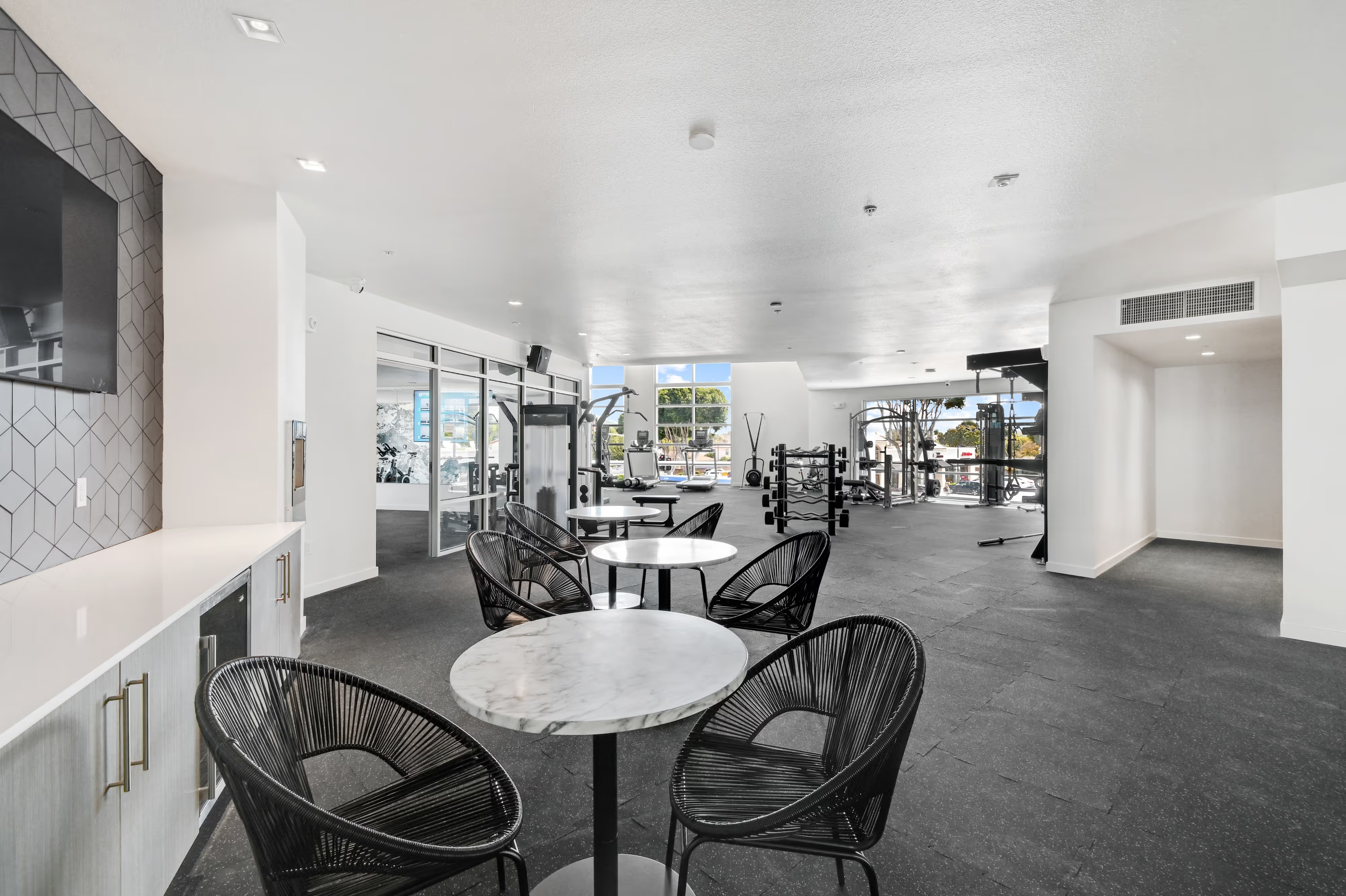
The parking experience is only one part of the altitude shift. Summit SLO brings several daily-use amenities into the same residential setting, helping students move from productivity to downtime without a second commute.
- Rooftop lounge: Gather around barbecues, take in panoramic views and catch the energy of sunset above SLO.
- 24/7 fitness center: Fit in a workout on your schedule, including time on the rock climbing wall.
- Study lounges: Settle into a focused work session close to home, with shared spaces for individual study and group projects.
That combination gives your routine more range. You can park, lift, study, meet friends and recharge within one connected community rather than spending every free hour traveling between separate destinations.
Individual leases, Roommate Matching and floor plans from The Bishop to The Canyon
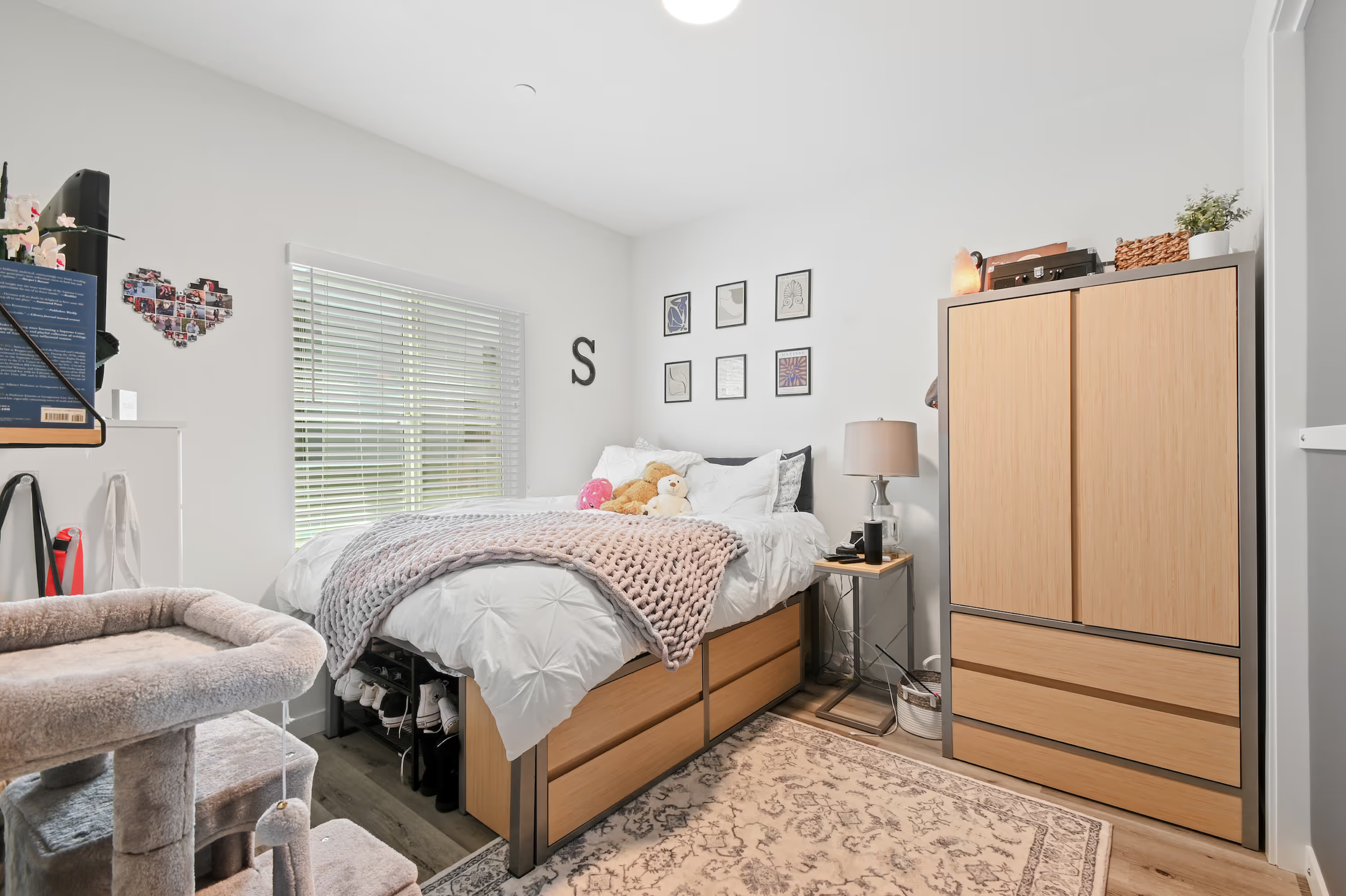
Summit SLO offers individual by-the-bed leases, so each resident has an agreement tied to their own bedroom. Roommate Matching can help students find a compatible living arrangement when they arrive in SLO without a full group already organized. Floor plan choices include The Bishop floor plan, The Canyon floor plan and additional layouts designed for different preferences around bedrooms, shared areas, storage and study space. Review current floor plan details, lease terms, parking availability and included features directly with Summit SLO before selecting your home.
Parking availability is limited and terms can vary by leasing period. Visit summitslo.com for current information, then schedule a tour to experience the garage, apartment layouts, rooftop views, fitness center and study spaces in person. Change your altitude with a home that supports the way you actually live.
How to Choose Student Housing with Parking That Works as Hard as You Do
Parking should support your schedule, not become another assignment. When you tour student housing, evaluate the full experience: space availability, garage access, walking distance, lighting, lease terms and the route you will take after a late lab or evening club meeting. Covered student parking can suit students who drive regularly, carry equipment or want a predictable home base between Cal Poly, downtown plans and weekend trips.
Your parking checklist: questions to ask on every housing tour
Bring these questions to every leasing conversation and request current answers in writing:
- Is the space reserved for one resident, or is parking first come, first served?
- Is the garage covered, gated, well lit and accessible during all hours?
- How close is the parking area to the elevator, apartment entrance and bicycle storage?
- Are parking fees, permits, deposits, guest rules and vehicle restrictions listed in the lease?
- What happens if a resident changes vehicles, moves units or needs accessible parking?
- How are maintenance, security concerns and after-hours access requests handled?
Do not judge a parking plan from a brochure photo alone. Walk the route with a backpack, imagine unloading groceries and check sightlines between the garage and your building. A space that is technically available may not serve you well if it requires several gates, a long outdoor crossing or a difficult route with heavy bags.
Location advantage: walking distance to Cal Poly, downtown SLO and the coast
Location changes how often you need your car. Housing within walking distance of Cal Poly can simplify class days, office hours, library sessions and campus events. Proximity to downtown San Luis Obispo adds convenient access to restaurants, coffee shops, entertainment, errands and community activities without requiring a separate drive. The coast remains within reach for beach days and outdoor plans, while a dependable residential space gives your vehicle a protected starting point when driving makes sense.
- Cal Poly: Walk for classes, student organizations, academic support and campus events.
- Downtown SLO: Walk or make a short trip for dining, shopping, services and social plans.
- Central Coast: Keep your car ready for beaches, hiking, internships, grocery runs and visits home.
Parking decision questions: lottery odds, nighttime safety and value
Should I rely on a university parking lottery? Treat a lottery as uncertain until you have a confirmed assignment and understand its location, hours and renewal process. A residential space may offer greater predictability, so compare the complete housing and transportation arrangement.
Is parking safer at night? No parking type guarantees safety. Favor controlled entry, strong lighting, clear pedestrian routes, active property management and convenient access to your building. Ask to see the route after sunset when possible.
Is covered student parking worth the cost? It can be worthwhile when you value weather protection, a designated stall, shorter walks and fewer daily decisions. Review the current terms at summitslo.com, then tour Summit SLO to experience the route, garage and community in person. Reserve your spot at your altitude while availability remains limited.
Frequently Asked Questions
Is a campus parking permit the same as a reserved parking spot?
No, a campus parking permit is not the same as a reserved space. A permit may grant access to a designated zone without promising an open stall when you arrive, so confirm zone rules, operating hours, and availability terms before you commit. Some campuses even place first-year students in a lottery for limited permits.
How much do annual student parking permits cost at large universities?
Annual student parking permits at large public universities can range from $359 to $753. Policies differ widely by campus, with some capping permits or assigning eligibility by class year and zone. Factor that recurring cost into your college budget alongside rent and everyday expenses.
What does covered student parking protect my car from?
Covered student parking protects your car from direct sun, coastal fog, rain, morning condensation, and falling debris. On the Central Coast, repeated weather exposure can mean more frequent cleaning, fading, water spotting, and heat buildup inside the cabin. A roof creates a buffer between your vehicle and the elements while you attend lectures or work a shift.
Is covered parking safer than street parking for students?
Covered parking can be safer than street parking when the property manages access well. Look for controlled entry, functional lighting, clear sightlines, cameras where appropriate, and a direct pedestrian route to your building. A garage connected to your residence also shortens the walk home after a late lab.
How close should student parking be to my apartment?
Student parking works best when it sits steps from your door rather than a hike across campus. A nearby stall makes unloading groceries, carrying project materials, and returning from evening activities far more manageable, and it keeps you from planning your day around shuttle schedules. When touring housing, walk the full route from garage to apartment entrance.
Why is parking so difficult in San Luis Obispo?
Parking in San Luis Obispo is difficult because a compact downtown, popular restaurants, event traffic, and a busy university community all compete for limited street spaces. Students often return from errands or coastal trips to hunt for a spot near their apartment. A private residential garage can serve as a reliable home base between classes and weekend plans.
What should I ask about before choosing student housing with parking?
Guaranteed stall assignment, distance from your building, and after-dark access procedures top the list of parking questions to ask. Also check lighting, camera coverage, and the walking route between the garage and your front door. A predictable, protected routine close to home beats a permit that leaves you searching every morning.
.avif)