.avif)
on-site student management
When a pipe leaks at midnight, a package goes missing or a roommate concern interrupts your study session, having help nearby matters. On-site student management places a trained team at the community, giving Summit SLO residents a clear way to address maintenance, access, packages and shared-living questions.
Key Takeaways
- On-site student management means a trained support team works directly within the community, so help with maintenance, access, and package concerns is never far away.
- Residents can get urgent problems handled quickly, even late at night, instead of waiting for an off-site office to respond the next day.
- A team stationed at the property serves as a single, reliable point of contact for shared-living questions and roommate concerns.
- With day-to-day housing issues covered, students can devote more energy to classes, campus involvement, and enjoying everything San Luis Obispo has to offer.
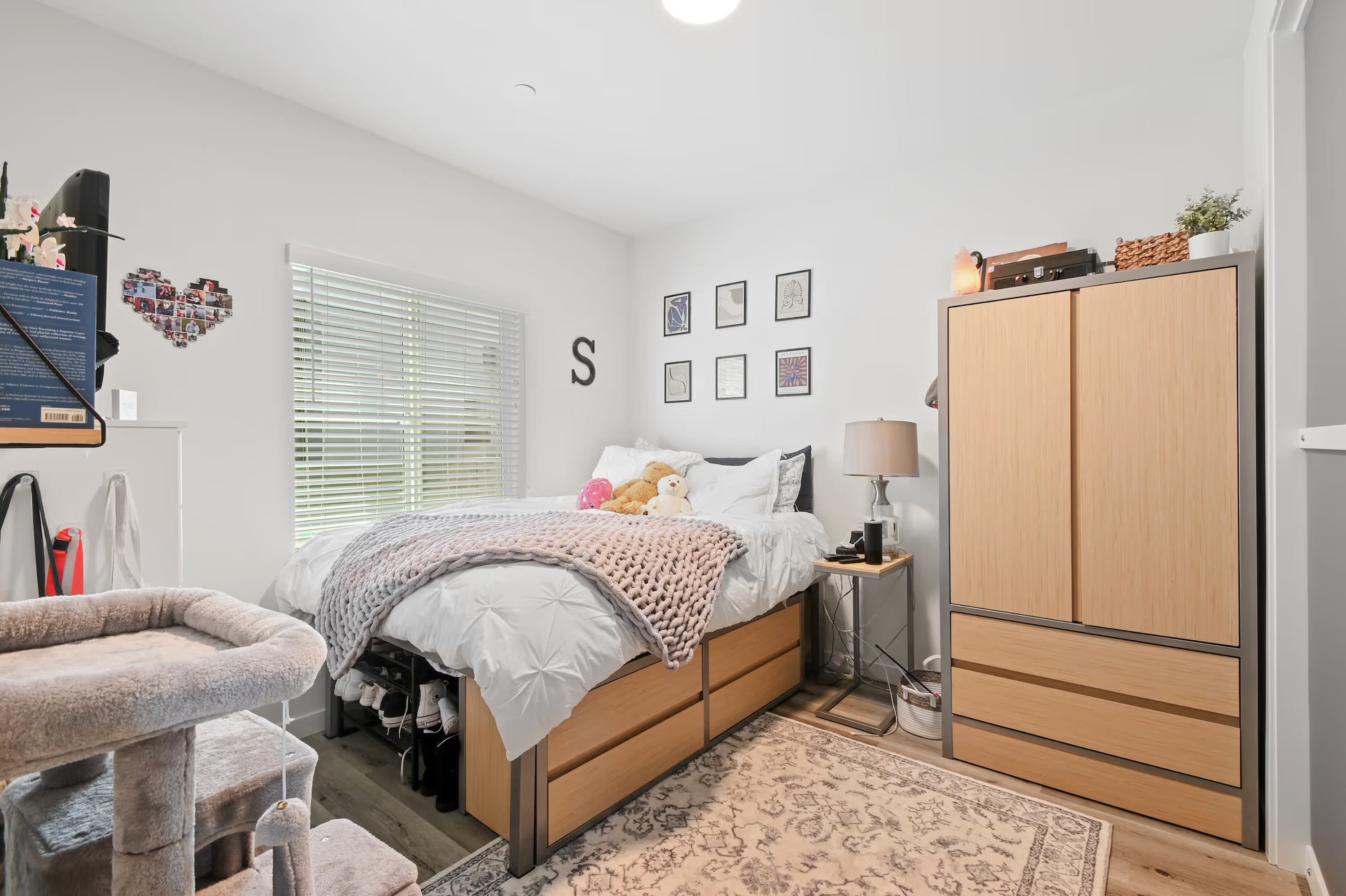
At Summit SLO, that support is part of the home base you build near Cal Poly San Luis Obispo. You get a furnished apartment, individual leasing and a team that understands student schedules, campus routines and life in San Luis Obispo. Less friction. More time for classes, clubs, internships and the people who make college memorable.
What is on-site student management?
On-site student management means a team operates from the student housing community and supports residents where they live. That team may include community managers, resident assistants or community assistants, leasing staff and maintenance technicians. Together, they help with resident communication, work orders, access issues, packages, safety concerns, roommate support, move-in logistics and shared spaces.
It is different from a student management system, sometimes called an SMS or SIS. Software can store information, track requests and send notices. On-site management is the human service behind those tools. A platform may record a maintenance ticket, but a technician diagnoses the issue, communicates timing and confirms when the repair is complete.
It also differs from fully remote property management. A local team can inspect a concern in person, connect you with the right staff member and keep the process moving without making you repeat the full story. At Summit SLO, the community team supports daily needs such as access questions, package coordination, maintenance and common-area operations.
What are the benefits of on-site student management?
On-site student management gives residents a nearby point of contact for maintenance, access, packages and shared-living concerns. At Summit SLO, that support works alongside furnished apartments, all-inclusive utilities, individual leases and amenities designed around student life. You can spend less time tracking down answers and more time focused on your next move.
Maintenance is easier to coordinate when the team is familiar with the building. If a drain clogs, an appliance stops working or a heating concern appears, residents have a clear way to submit the request and receive updates. Defined after-hours procedures also help residents know where to turn when an urgent issue happens outside office hours.
Daily details matter, too. The Luxor package system and mail room provide a designated place for deliveries. Controlled building access, reserved resident parking and indoor bike storage support coming and going. Onsite management, maintenance and patrol officers add another layer of support throughout the community.
Shared living takes communication. Community staff can explain policies, document concerns and help residents work through roommate or noise questions with respect for different routines and backgrounds. Whether your week is built around labs, athletics, creative work, campus organizations or quiet study, a well-run home gives you room to thrive.
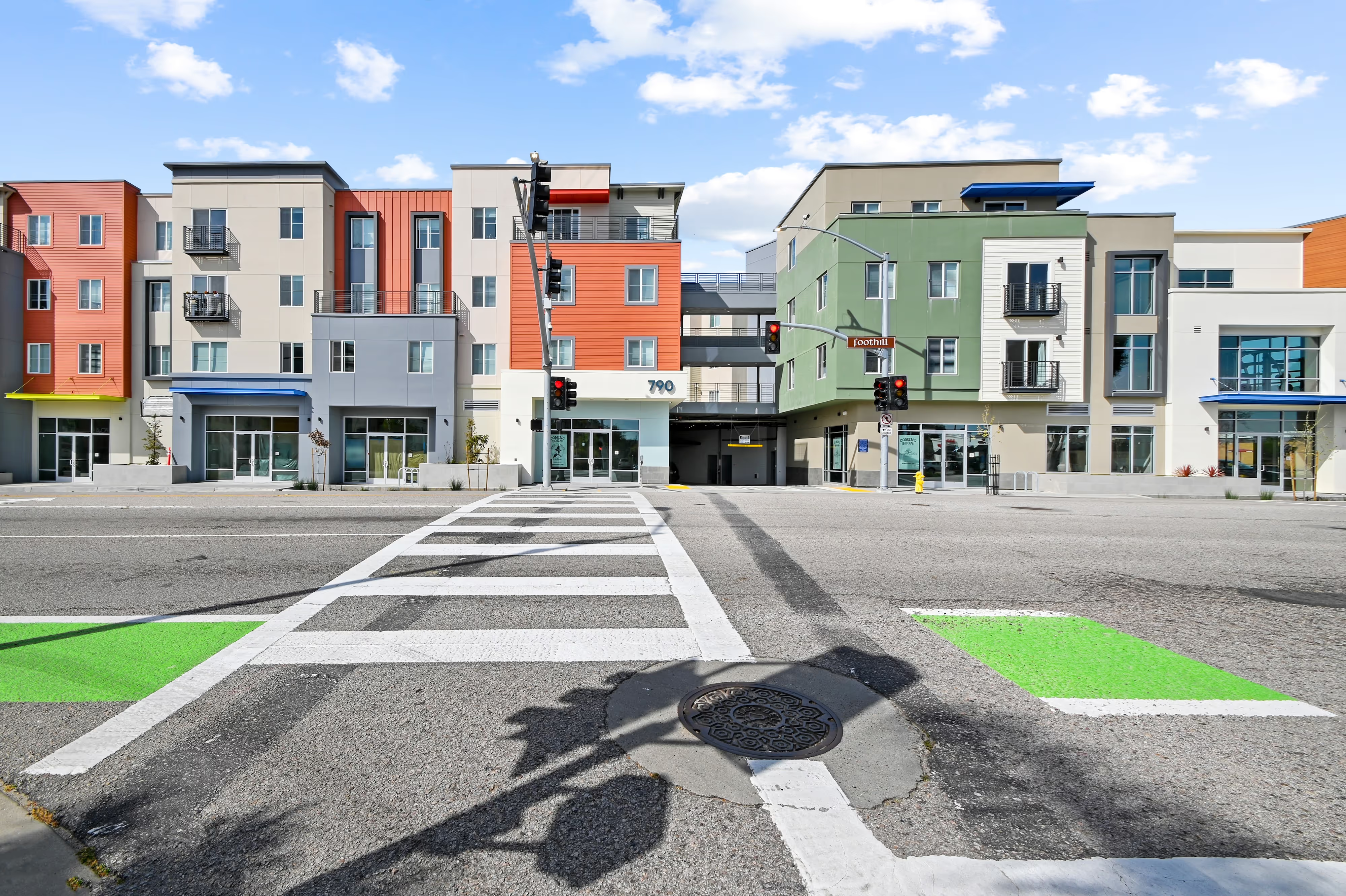
Location adds practical value. Summit SLO is within walking distance of Cal Poly San Luis Obispo and a few blocks from downtown SLO. Restaurants, coffee shops, convenience stores and California Fresh Market are close by, so errands and plans can fit between classes. Your home base should move with your schedule, not complicate it.
How should you choose on-site student management?
Choose on-site student management by looking for clear responsibilities, accessible staff and written procedures. Before signing, ask who handles leasing questions, work orders, access issues, packages, roommate concerns, noise complaints and urgent situations. A strong operation should explain office hours, emergency contacts, response channels and escalation steps. The goal is dependable support after the tour, not just a polished first impression.
Review maintenance from your perspective. Ask how you submit a request, when you receive updates and which situations count as emergencies. A useful process covers intake, triage, communication, repair and confirmation. Ask how the team would handle a leaking pipe at midnight, a refrigerator problem before move-in or a clogged sink during finals week.
Check after-hours support and package procedures. Find out who responds to a lockout, lost key or fob, disruptive gathering or urgent water issue after the office closes. Ask whether the contact reaches staff at the community, a regional team or an emergency vendor. You can also ask about delivery notifications, pickup hours and oversized items.
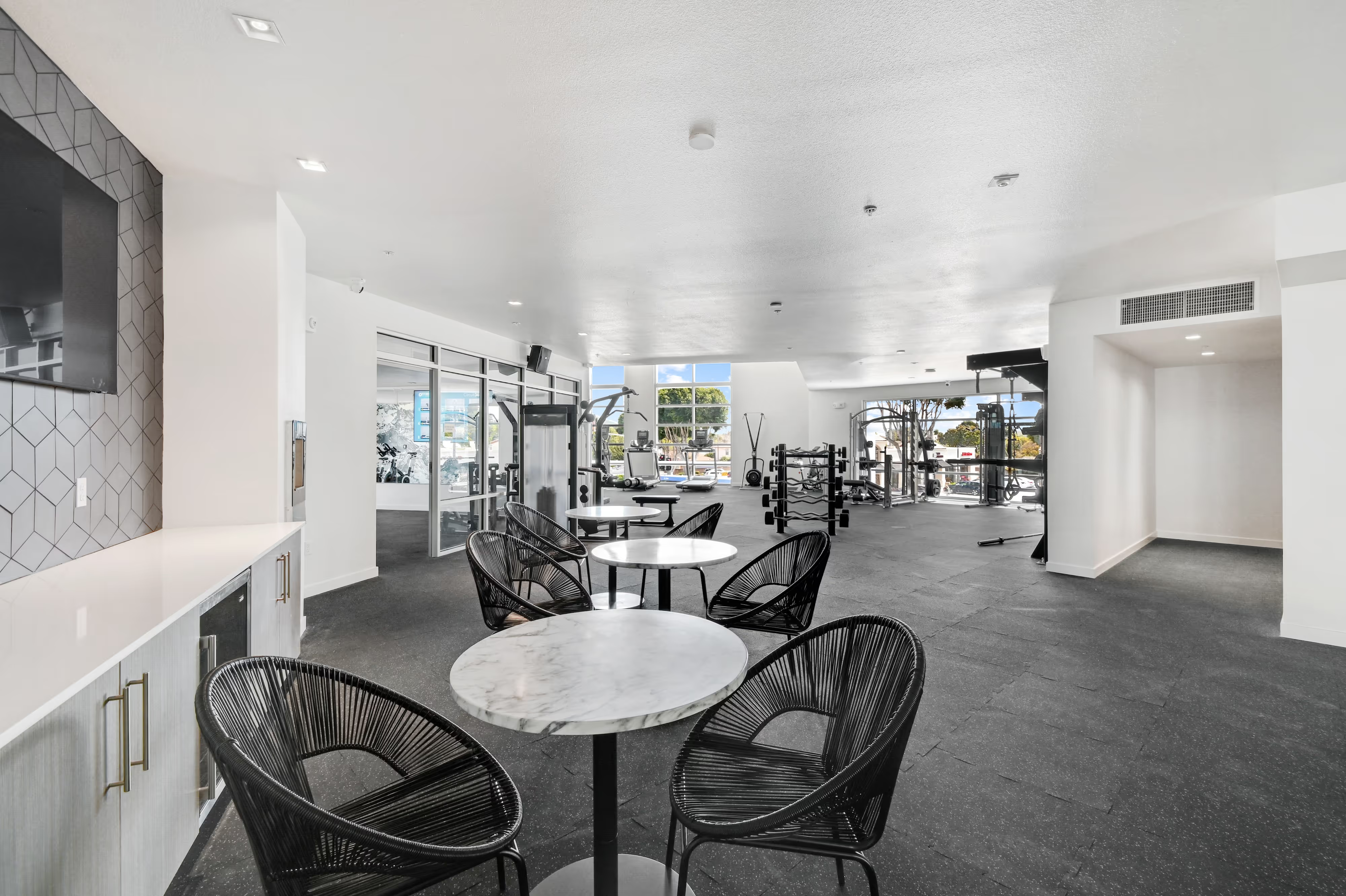
Finally, assess how the team supports shared living. Ask how roommate concerns are documented, how noise policies are communicated and how resident staff are trained to handle sensitive conversations. Tour the office, package room, study spaces, fitness center and common areas. Notice whether the team answers directly and explains resident responsibilities with the same clarity as property features.
At Summit SLO, that evaluation connects to the full living experience. You can compare The Bishop, The Cerro, The Madonna, The Osos and The Canyon, each available in 2, 3 or 4 bedroom configurations. Every option offers individual leases by the bed, fully furnished interiors and all-inclusive utilities. Roommate Matching helps create a more intentional shared home. Review current floor plans, rates and availability at the Summit SLO website before reserving your spot.
Frequently Asked Questions
Is on-site management the same as a student management system?
No. A student management system, often called an SMS or SIS, is software used to store resident information, organize work orders, send notices, and manage administrative records. On-site management refers to the people who operate from the property and support residents directly. Technology can document a request, but a community manager, resident assistant, or maintenance technician provides the conversation, judgment, and hands-on response.
What is the difference between on-site and remote property management?
On-site management places staff at or near the housing community, while remote management relies primarily on email, phone support, outside vendors, or a distant office. A local team can inspect an apartment, verify an access problem, coordinate a repair, and communicate with residents in person. Remote service may still provide organized support, but response times, after-hours procedures, and vendor availability should be confirmed before a lease is signed.
What does an on-site team do each day?
Daily responsibilities may include answering resident questions, processing work orders, coordinating move-ins, managing keys and fobs, receiving packages, maintaining common areas, documenting incidents, and communicating community policies. A community manager oversees operations and resident relations. Resident assistants or community assistants help with engagement and shared-living concerns. Maintenance technicians address repairs, inspections, and preventative upkeep. Together, these roles create a clear support network inside the property.
Who should I call at 2 a.m. for a lockout, leak, or noise complaint?
Use the property’s designated emergency or after-hours contact. Before move-in, ask whether that line reaches staff on the property, a regional team, or an emergency vendor. Lockouts and lost access devices may follow a specific verification process. A significant leak or electrical hazard should be reported immediately through the emergency channel. Noise concerns typically require documentation, location details, and a description of the disruption so staff can respond according to community policy.