college apartment organization
Great college apartment organization starts before the first storage bin enters your cart. Begin with the rooms, dimensions, furniture placement and routines your apartment already supports. When you understand the space first, every basket, hook and shelf has a purpose instead of becoming move-in clutter.
Key Takeaways
- Measure your rooms and map out furniture placement before you shop, so every storage piece fits your space instead of working against it.
- Your daily routines should drive your storage choices, from where you drop your keys to how you stream your morning coffee.
- Treat organization as a strategy rather than a shopping spree, because impulse buys are how move-in clutter takes over.
- Give every basket, hook, and shelf one specific job from day one, and your apartment will stay neat without constant effort.
At Summit SLO, furnished apartment floor plans give you a higher starting point. The Bishop, The Cerro, The Madonna, The Osos and The Canyon are available in two-, three- or four-bedroom layouts, giving you more room to build a home that feels focused, polished and ready for the pace of Cal Poly life.
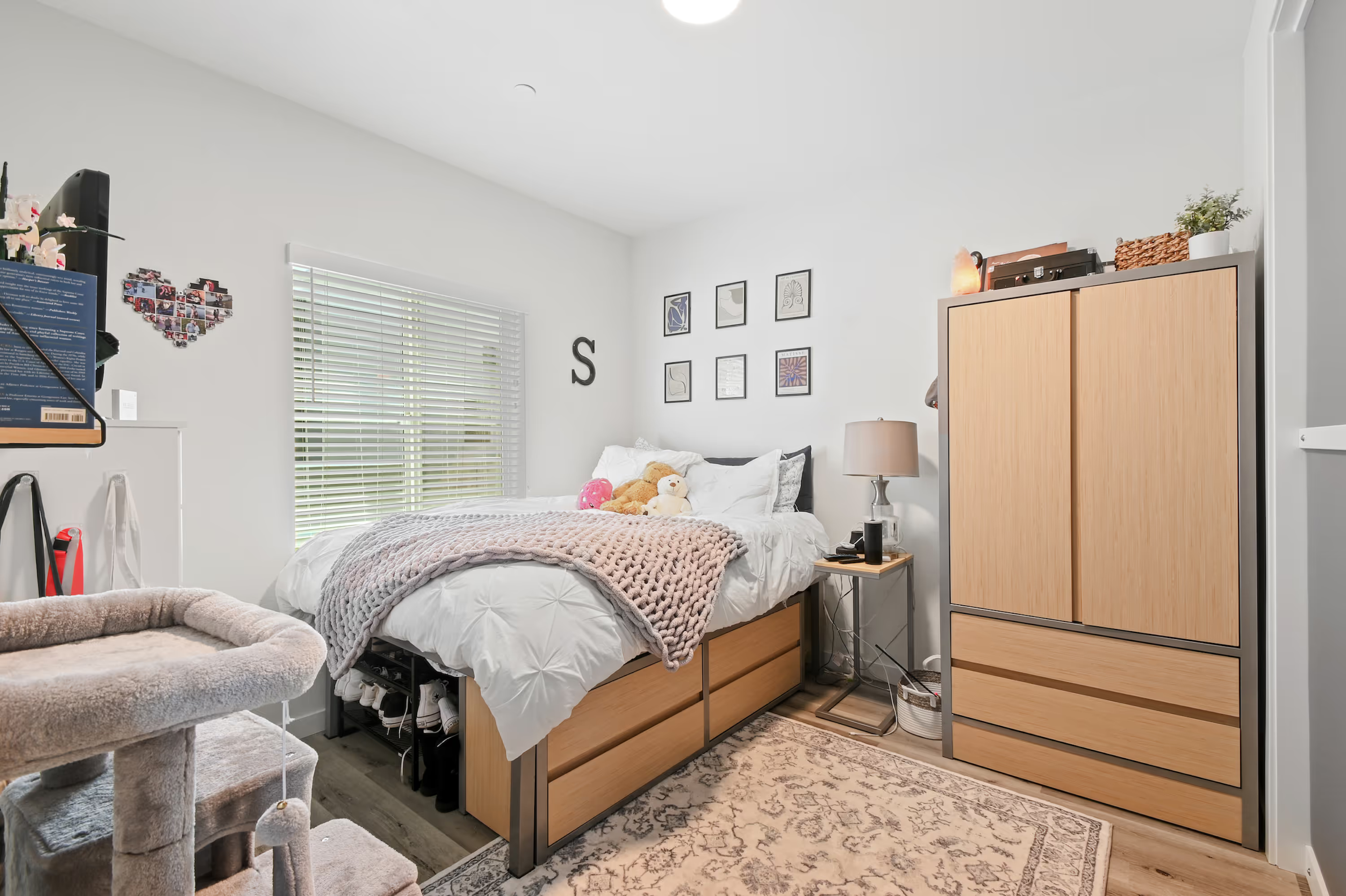
Sketch three zones in each bedroom: sleep, study and storage. Measure walls, closet openings, furniture clearance and outlet locations before shopping. Then use the apartment’s built-in features, including the bed, dresser, desk and nightstand, as your organizing foundation.
Start With Your Floor Plan, Not a Shopping Cart
Map Your Bedroom Zones Before You Buy a Single Bin
Print your floor plan or draw a simple layout with doors, windows, closets, outlets and fixed furniture marked first. Designate the area around your bed for nighttime essentials, the desk for coursework and charging, and the closet or dresser for clothing. Keep walking paths open, especially near the entry and bathroom. This basic room map turns organization into a practical plan for daily behavior: where your backpack lands, where laundry waits and where tomorrow’s outfit stays visible.
Use vertical space for items you reach often, while reserving lower or less accessible areas for seasonal clothing and keepsakes. A furnished bedroom already includes major pieces, so your plan should work around the bed, nightstand, desk, desk chair and dresser rather than replacing them. Open placement creates breathing room across the engineered hardwood floors.
Measure Twice, Haul Once
Before purchasing organizers, record the width, depth and height of every target area. Measure beneath the bed, inside the closet, beside the desk and under the bathroom sink. Check door swing, drawer clearance, baseboards and outlet access. A container that fits on paper can still block a drawer or prevent a closet door from opening fully.
- Save measurements in your phone with a photo of each space.
- Note whether shelves are fixed, adjustable or absent.
- Measure luggage, laundry hampers and bulky gear before move-in.
- Choose stackable pieces only when they remain stable and easy to reach.
Room-by-Room Storage Ideas That Maximize Your Apartment
Under-Bed and Vertical Storage Wins
Use low-profile containers beneath the bed for winter layers, extra bedding, costumes and equipment that does not belong in your everyday rotation. Label the front edge so you can identify contents without pulling everything into the room. For daily items, add a narrow hook rail or over-door organizer where permitted. Vertical storage protects floor space, keeps essentials visible and makes the room feel open.
Closet Systems That Stretch a Small Wardrobe
Organize clothing by use rather than by color alone. Keep class basics at eye level, place occasion wear toward the side and fold athletic clothing into accessible drawers or fabric cubes. Slim hangers create extra breathing room, while shelf dividers stop stacks from collapsing. Use one hamper for lights and darks if laundry day is frequent, or choose a divided model when sorting in advance saves time.
Desk Zone: Keep Your Study Setup Sharp
Your desk should support concentration, not collect every item you own. Keep the desktop limited to a lamp, laptop stand, notebook, water bottle and one small supply holder. Route charging cables along the rear edge, store backup stationery in a drawer and place a recycling container nearby for handouts. Since each bedroom includes a desk and desk chair, your study zone can feel ready for the first reading assignment.
Bathroom Storage for a Double Vanity
A bathroom with a double vanity gives each resident a natural personal zone. Assign one drawer or cabinet area per person, then reserve a shared section for toilet paper, cleaning supplies and first-aid items. A countertop tray can hold daily skincare or grooming products without spreading across the sink. Keep towels on hooks, store backups below the vanity and leave the center counter clear for a calmer morning routine.
Pack Smart: What to Bring to a Furnished Apartment
Smart college apartment organization begins with knowing which essentials are already waiting inside your Summit SLO apartment. A furnished home changes your packing list: instead of hauling major furniture across town, you can focus on linens, personal items, kitchen supplies and the small touches that make your space feel like yours.
What Already Comes With Your Unit
Each bedroom includes a bed, nightstand, desk, desk chair and dresser, giving you a ready-made foundation for sleep, studying and clothing storage. The shared living area comes furnished as well, with a Smart TV for movie nights and downtime. Stainless steel appliances and granite countertops support everything from quick breakfasts to group dinners without requiring a separate furniture run.
Additions Worth the Box Space
Prioritize items that support daily routines: bedding sized for your mattress, bath towels, a shower caddy, laundry supplies, hangers, food-storage containers and a small first-aid kit. A surge protector, reusable water bottle, desk lamp and compact cleaning kit can make your first week smoother. Bring a few decorative pieces, such as photos, a small rug or removable wall accents, rather than packing an entire room’s worth of accessories.
Popular Buys You Can Confidently Skip
Save money and trunk space by leaving bulky furniture, a second desk, extra seating and a large television at home. You also may not need oversized shelving when the bedroom dresser and existing floor plan already provide storage. Check dimensions and community guidelines before buying appliances or wall-mounted items.
| Bring | Skip | Why |
|---|---|---|
| Bedding and towels | Bed frame | Sleeping furniture is provided. |
| Food containers and utensils | Large kitchen appliances | Stainless appliances are already installed. |
| Laundry detergent and hangers | Extra dresser | Each bedroom includes a dresser. |
Shared Spaces, Zero Friction: Organizing an Apartment With Roommates
Shared living works best when every item has a home and every roommate understands the system. Summit SLO’s individual leases mean each resident leases their own bedroom, while Roommate Matching helps create a compatible household from day one. Set expectations early, then make the kitchen, pantry, laundry area and living room easy to use without constant negotiation.
Divide the Kitchen Into Personal Zones
Assign each roommate a refrigerator shelf, freezer section and cabinet area. Use labeled bins for personal groceries, and reserve one shelf for shared staples such as cooking oil, spices, coffee and paper goods. With stainless steel appliances and an in-unit washer and dryer, a simple rotation for cleaning counters, wiping appliances and replacing supplies keeps chores visible and fair.
Snack Stations and Shared Shelving That Work
Create one snack station with a basket or tiered shelf for grab-and-go foods. Keep unopened extras together, date leftovers and place frequently used items at eye level. A shared shopping note on the refrigerator can separate communal purchases from personal requests.
- Label shared containers with the purchase date.
- Use one basket for unopened pantry backups.
- Set a weekly five-minute supply check.
Living Room Setup Everyone Can Enjoy
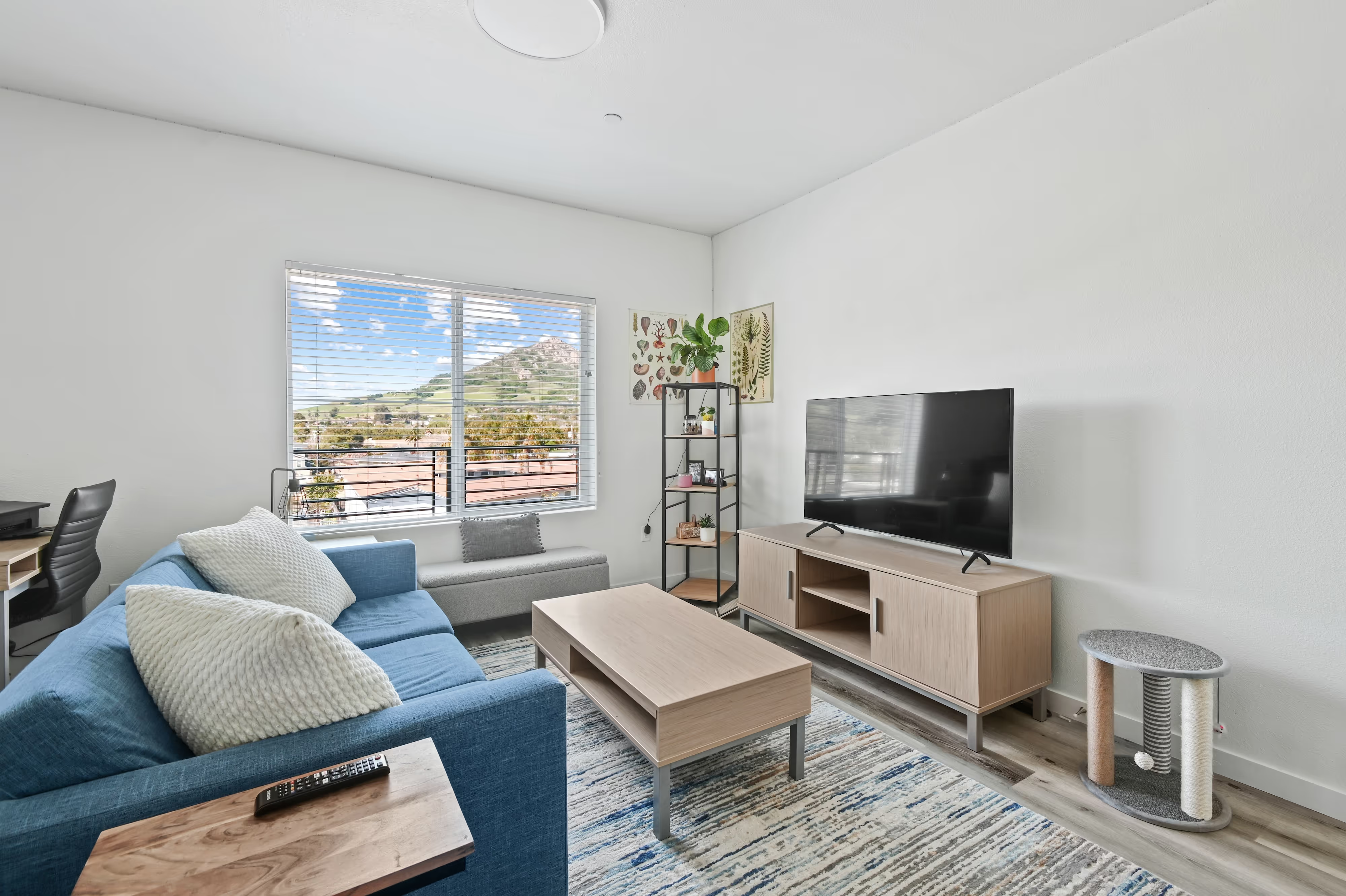
Keep walkways open around the furnished seating, then define zones for conversation, studying and entertainment. Store controllers, chargers and blankets in one accessible basket near the Smart TV. A shared calendar can reserve quiet study periods without taking over the room’s social energy.
From Move-In Day to Finals Week: Habits That Keep It Organized
Strong college apartment organization continues after the boxes are empty. The best system is one that fits your actual schedule, from early classes near Cal Poly to evenings downtown in San Luis Obispo. Because Summit SLO apartments already include furniture, move-in can focus on assigning homes to personal belongings, setting household expectations and creating routines that survive busy weeks.
Your Move-In Day Game Plan
Unload by category instead of opening every box at once. Put bedding on the mattress first, place clothing near the closet and dresser and keep school supplies together until your desk is ready. Save kitchen and bathroom items for their assigned areas. Photograph valuable belongings and keep lease documents, keys and move-in records in one labeled folder. A clear first-day sequence prevents packaging, duplicate purchases and loose items from taking over your new home.
- Carry in essentials for the first night before decorative items.
- Break down cardboard as soon as each room is set up.
- Place laundry supplies near the in-unit washer and dryer.
- Agree on shared-space expectations before the first grocery trip.
The 15-Minute Weekly Reset
Choose one consistent reset window, such as Sunday evening, and use a timer. Return stray items, clear the desk, collect laundry, wipe high-use surfaces, check the refrigerator and remove trash. Finish by reviewing the week ahead so books, chargers, workout gear and outfits are ready before Monday morning. This short maintenance habit protects your time during exams because clutter receives regular attention instead of becoming a full-room project.
What to Store or Take Home Between Terms
Before a break, separate belongings into three groups: use soon, store securely and take home. Wash clothing and bedding before packing them, remove food that can spoil and label every container with your name and a contents list. Keep important documents, medication, electronics and sentimental items with you. Store seasonal gear in sealed bins, but avoid packing anything you will need during an internship, summer class or early return.
Ready to change your altitude? Tour Summit SLO near Cal Poly and downtown SLO, then picture your next chapter in a furnished apartment built for focus, connection and everyday momentum. Tag your future roommate and start planning your summit.
References
Frequently Asked Questions
What is the best way to stay organized in college?
Starting with your floor plan instead of a shopping cart is the best way to stay organized in college. Sketch sleep, study, and storage zones in each bedroom, then measure walls, closet openings, and outlet locations so every bin and hook has a purpose. That planning-first mindset keeps your system working all year.
What are some good ideas for organizing a college closet?
Organizing your college closet by use rather than color alone is the smartest approach: keep class basics at eye level, occasion wear toward the side, and fold athletic clothing into fabric cubes. Slim hangers create extra breathing room, shelf dividers stop stacks from collapsing, and a divided hamper sorts laundry before wash day arrives.
How do I maximize storage in a small college bedroom?
Vertical space and under-bed storage are the keys to maximizing a small college bedroom. Low-profile containers beneath the bed hold winter layers and extra bedding, labeled on the front edge, while a hook rail or over-door organizer keeps daily items visible. Reserve lower, less accessible spots for seasonal clothing and keepsakes.
What should I bring to a furnished college apartment?
A furnished college apartment calls for linens, personal items, kitchen supplies, and small personal touches rather than major furniture. Each Summit SLO bedroom already includes a bed, nightstand, desk, desk chair, and dresser. Prioritize bedding, bath towels, a shower caddy, hangers, laundry supplies, and a small first-aid kit.
What should I keep on my college desk?
A college desk works best with only a lamp, laptop stand, notebook, water bottle, and one small supply holder on top. Route charging cables along the rear edge, store backup stationery in a drawer, and keep a recycling container nearby for handouts. A clear desktop supports real concentration from day one.
How do roommates share bathroom storage in a college apartment?
One drawer or cabinet area per person is the simplest way for roommates to share bathroom storage, with a shared section reserved for toilet paper, cleaning supplies, and first-aid items. A countertop tray keeps grooming products contained, and storing towel backups below the vanity leaves the counter clear for calmer mornings.
How do I measure my space before buying college apartment organizers?
Measuring the width, depth, and height of every target area before shopping saves you from organizers that block drawers or closet doors. Measure beneath the bed, inside the closet, beside the desk, and under the bathroom sink, and save each measurement in your phone with a photo of the space.
.avif)