college apartment lifestyle
College should feel like a climb, not a daily battle with cramped rooms, surprise fees, and schedules set by someone else. The college apartment lifestyle gives you more control over your budget, routines, privacy, and surroundings while keeping you connected to campus life. After experiencing both dorm living and elevated apartment living, I know the difference often comes down to lease structure, included utilities, furnished rooms, walkability, and the quality of shared spaces.
Key Takeaways
- Apartment living puts you in charge of your budget, daily routine, privacy, and space, turning college into a climb you control rather than a daily grind.
- Choosing the right apartment comes down to five essentials: lease structure, included utilities, furnished rooms, walkability, and the quality of shared spaces.
- You do not have to trade campus connection for independence, because a well-placed apartment keeps you plugged into student life.
- Fewer surprise fees and more predictable monthly costs set apartment living apart from traditional dorm housing.
- Smart lease terms and amenities already built into your rent are what turn everyday college living into an elevated experience.
At Summit SLO, the goal is clear: help you move beyond base camp and settle into a home designed for ambitious students. Here’s how to evaluate the tradeoffs, calculate your real costs, and tour an apartment with confidence.
Why Off-Campus Living Changes Everything: Pros, Cons and the Real Numbers
Moving off campus can offer more independence, yet the right choice depends on total cost rather than rent alone. The average dorm room and meal plan costs approximately $14,398 per year, according to the Education Data Initiative. An apartment budget may look different once you account for groceries, utilities, furniture, parking, transportation, and internet. Students can often reduce food spending by 30% to 50% compared with mandatory meal plans, but savings depend on cooking habits and local prices.
On-Campus Housing vs. Apartment Living: Side-by-Side Comparison
| Category | On-campus housing | Apartment living at Summit SLO |
|---|---|---|
| Lease structure | Housing terms follow campus policies and annual availability. | Individual leases assign responsibility to each resident. |
| Food | Meal plans may be required. | Private kitchens support flexible grocery shopping and meal preparation. |
| Furnishings | Room furnishings are typically limited. | Furnished units reduce moving and setup expenses. |
| Privacy | Shared rooms and communal facilities are common. | Private bedrooms and apartment-style common areas create more personal space. |
| Daily convenience | Campus access is close, but grocery trips may require planning. | Walkability, resident amenities, and on-site services simplify routines. |
The Hidden Costs Students Forget, and How All-Inclusive Rent Solves Them
Build a monthly worksheet before comparing floor plans. Include base rent, electricity, water, trash, Wi-Fi, parking, furniture, kitchen supplies, groceries, laundry, transportation, and renter’s insurance. A lower advertised rent can lose its advantage when several bills arrive separately. Summit SLO’s **all-inclusive** approach, furnished units, individual leases, and included utilities make the monthly picture easier to understand. Compare options such as the Bishop floor plan and the Cerro floor plan to find a layout that fits your budget. Since rates and lease terms can change, use the official listing for your personal comparison.
Freedom, Privacy and Space: What You Actually Gain
The upgrade is not only square footage. Apartment living gives you a kitchen for a late breakfast, a living room for friends, a quiet place to reset, and greater control over your study schedule. You can organize your day around classes, work shifts, club meetings, and downtime instead of a residence hall’s meal hours or shared-room rhythm. With the college apartment lifestyle, independence becomes practical: you manage your home, choose your routines, and create a space that reflects your goals.
The Tradeoff Check
Pros
- More privacy and personal space
- Flexible cooking and grocery choices
- Clearer responsibility through individual leases
- Furnished rooms and included utilities can simplify budgeting
Cons
- You must read lease terms carefully
- Cooking, cleaning, and household planning become your responsibility
- Commute time matters if housing is not walkable
- Shared apartment decisions require communication
Find Your Summit: A Step-by-Step Apartment Hunting Guide for Students
Apartment hunting feels manageable when you treat it like a planned ascent. Start with your priorities, verify the details in person, then read the lease before deciding. For Cal Poly students, location affects transportation costs, grocery routines, study time, and your connection to San Luis Obispo. Summit SLO is within walking distance of Cal Poly and a few blocks from downtown SLO.
Step 1: Set Your Non-Negotiables, Location, Budget, Lease Type
Write three lists: must-haves, preferences, and deal breakers. Include maximum monthly housing cost, distance to Cal Poly, bedroom privacy, furnished delivery, laundry access, reserved resident parking, internet, utilities, fitness amenities, and study space. Then confirm the lease format. Summit SLO offers **individual leases**, meaning each resident signs a lease for their own bedroom rather than a joint lease for the entire unit. Ask whether deposits, fees, renewal terms, guest policies, and cancellation rules are stated clearly.
Step 2: Tour Like a Pro: Check Beyond the Fresh Paint
Visit during a realistic busy period if possible. Test faucets, water pressure, cabinet doors, appliances, windows, locks, outlets, air conditioning, and laundry machines. Listen for hallway and street noise. Look at natural light, storage capacity, package delivery, and the condition of common areas. Ask how maintenance requests are submitted and whether the displayed unit matches the apartment you would receive.
Step 3: Decode the Lease: Why Individual Leases Matter
Read every section covering rent due dates, late charges, security deposits, maintenance access, subleasing, early termination, guests, and move-out inspection. An individual lease centers your agreement on your bedroom and assigned costs rather than a roommate’s payment performance. Confirm whether shared-area damage, replacement keys, or unpaid community charges carry separate fees. Keep a signed copy, payment records, inspection photos, and written communication in one folder.
Safety and Security: What to Look For Before You Sign
Prioritize controlled building access, well-lit entrances, secure package handling, functioning door hardware, and clear emergency procedures. Summit SLO provides onsite management, maintenance, patrol officers, a Luxor package system, and controlled building access. Confirm parking assignment, visitor rules, garage access, and any separate charges in writing. A reserved resident parking garage can make grocery trips and evening returns more convenient.
Roommate Matching, Done Right: Shared Living Without the Drama
A successful college apartment lifestyle starts with the people sharing your address. Summit SLO’s **Roommate Matching** program is designed to pair residents based on compatibility, making shared living feel intentional rather than random. Consider sleep schedules, study habits, cleanliness standards, social energy, guest expectations, communication style, and food preferences. Compatibility doesn’t require identical personalities. It requires routines and boundaries that can coexist comfortably.
How Compatibility-Based Matching Works
Compatibility-based matching begins with preferences and conversation. Use the process to discuss early or late schedules, overnight guests, music volume, cooking frequency, shared supplies, bathroom routines, and organization. Request an introductory conversation before move-in, discuss bedroom assignments, and confirm that every resident understands the shared spaces.
Your First-Week Roommate Conversation: A Setup Checklist
Set aside 30 minutes during the first week for a relaxed house meeting. Bring a shared notes document and decide how the apartment will handle the details that shape everyday comfort:
- Quiet hours: Choose study and sleep windows, especially before exams.
- Cleaning: Assign recurring tasks for the kitchen, bathroom, floors, trash, and refrigerator.
- Shared purchases: Decide which supplies are communal and how residents will split costs.
- Guests: Agree on advance notice, overnight limits, and common-area courtesy.
- Food: Label groceries and define rules for borrowed items.
- Temperature and lighting: Set a reasonable approach to air conditioning, heating, and common-room use.
- Communication: Select a group chat for quick updates and a meeting format for larger concerns.
Conflict Resolution Scripts for Cleanliness, Noise, and Shared Space
Address behavior, not personality. For cleanliness, try: “I noticed dishes have been staying in the sink overnight. Can we agree that everyone clears personal dishes before quiet hours?” For noise, say: “I have an exam tomorrow and need a quieter room from 10 p.m. to 7 a.m. Can we use headphones during that window?” Specific observations and clear requests give roommates a practical path forward.
If a conversation stalls, pause before sending an angry message. Return to the written agreement, suggest two workable options, and involve onsite management when a lease issue, safety concern, or repeated violation needs formal support.
Move-In Day, Simplified: Room-by-Room Essentials and Smart Decorating
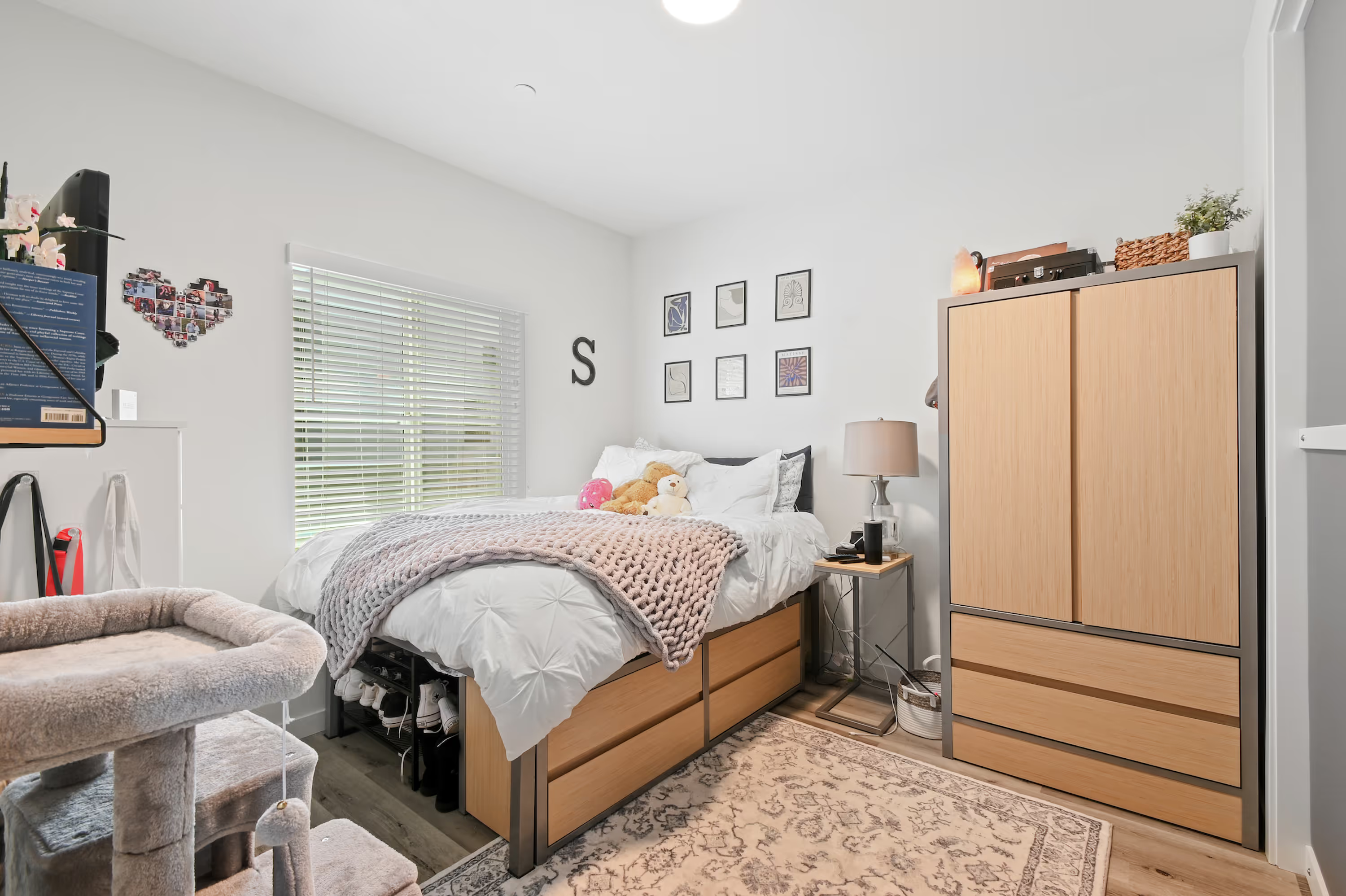
Move-in day feels lighter when you pack for the apartment you will actually receive. A **fully furnished** Summit SLO unit includes a bed, nightstand, desk, desk chair, and dresser in each bedroom, plus living room and dining furniture and a Smart TV. Units also include stainless steel appliances, granite countertops, engineered hardwood flooring, central heating and A/C, modern bathrooms with double vanity sinks, and an in-unit washer and dryer. Build an inventory before shopping so you don’t pay twice for items already provided.
The Room-by-Room Packing Checklist: Bedroom, Bathroom, Kitchen, and Living Room
For the bedroom, bring bedding sized for your mattress, a mattress protector, hangers, a hamper, under-bed organizers, a desk lamp, and a small personal item that makes the room feel familiar. Bathroom essentials include towels, a bath mat, toiletries, a toiletry caddy, toilet paper, cleaning spray, and a first-aid kit. Pack a basic tool kit, scissors, tape, approved removable hooks, and power strips with surge protection.
The kitchen needs reusable food containers, a cutting board, chef’s knife, spatula, tongs, measuring cups, mugs, plates, bowls, utensils, and dish towels. For the living room, consider only lightweight additions such as throw pillows, a washable blanket, board games, and a compact lamp. Label boxes by room and keep medications and documents in your personal bag.
What to Leave Behind When Your Apartment Comes Furnished
Skip sofas, bed frames, dining tables, large bookcases, full-size appliances, and duplicate televisions when those features are provided. Resist buying bulky storage before measuring closets, drawers, and bedroom dimensions. Confirm the unit’s included features before purchasing extra cookware, cleaning equipment, or electronics.
Small-Space Decorating That Feels Elevated
Start with function, then add personality. Choose one color direction, repeat two or three tones through bedding and accessories, and use textiles to soften hard surfaces. A full-length mirror can reflect light, while vertical shelving, a pegboard, and under-bed bins preserve walking space. Use removable art and framed prints to add character without risking wall damage. The most polished rooms balance personal style with open surfaces and an easy cleaning routine.
Kitchen Basics: Meal Planning and Grocery Runs Without a Dining Plan
Plan three flexible meals before shopping: one quick breakfast, one packed lunch, and one dinner that produces leftovers. Build a grocery list around staples such as oats, eggs, rice, pasta, beans, frozen vegetables, fruit, chicken or tofu, yogurt, and tortillas. Check your calendar before choosing recipes, since late classes and club meetings call for fast options.
Living near Cal Poly and California Fresh Market can make smaller grocery trips practical. Store dry goods in labeled containers, reserve one refrigerator shelf for shared items, and clean spills immediately. Cooking with roommates can lower waste and create connection, while separate budgets and food preferences should remain clear.
The Missing Piece: Wellness, Community and Resort-Like Student Living
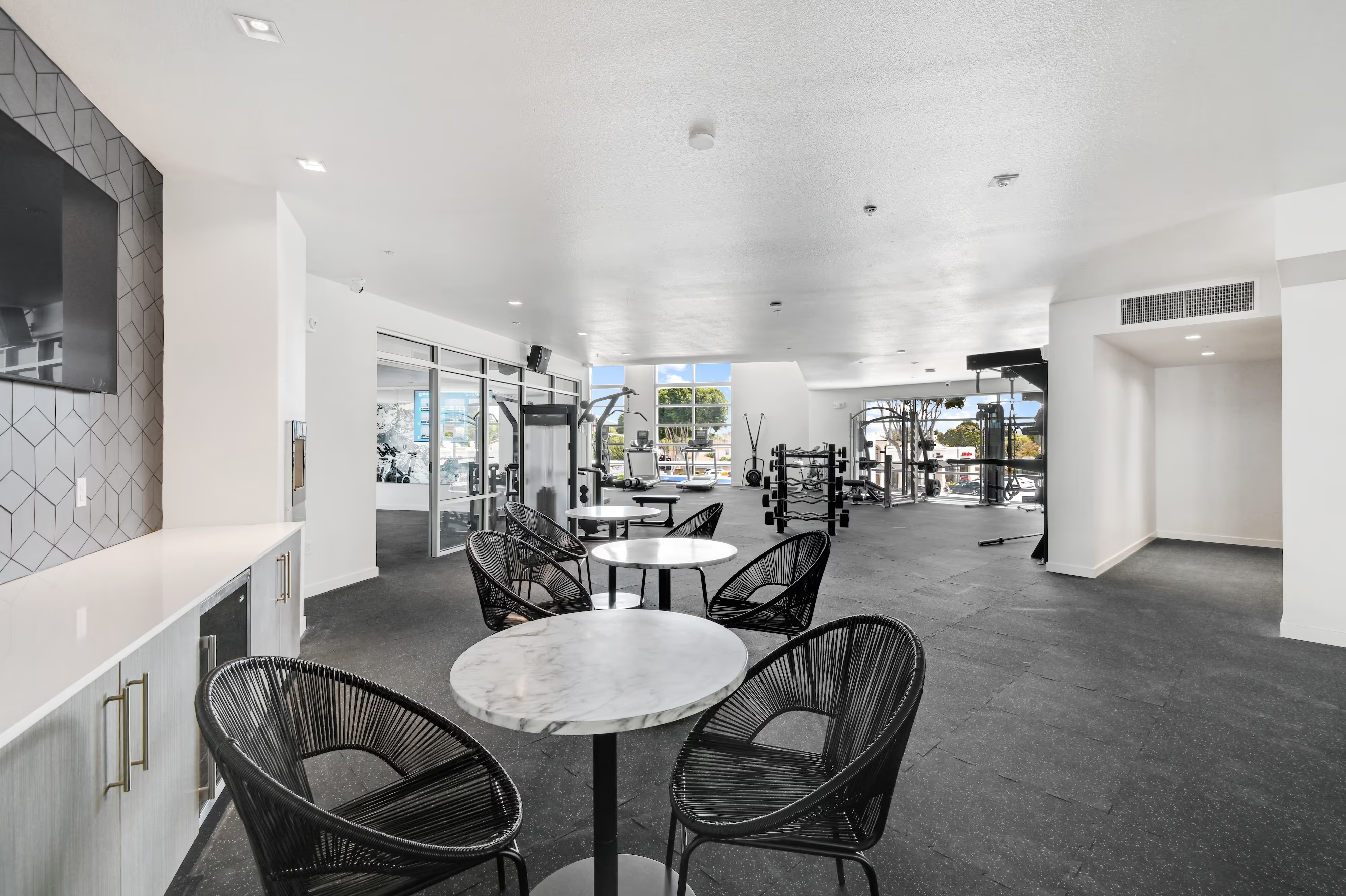
A great apartment should support more than sleep between classes. It should give you places to focus, move, connect, and reset without leaving home. At Summit SLO, you can start a workout before class, take a study break in a private study space, or meet friends on the rooftop lounge at sunset.
Amenities That Earn Their Place: Fitness, Study Lounges and the Rooftop
The best amenities solve recurring problems. Summit SLO’s 24/7 fitness center includes an indoor rock climbing wall, Fitness On Demand, and a Spin Studio. The 24/7 study lounge includes private study spaces, while conference rooms with TVs and whiteboards support group projects. A rooftop lounge with barbecues, a TV, and panoramic views gives residents a shared place to relax.
Move
Use the fitness center, rock climbing wall, Fitness On Demand, and Spin Studio for movement or a quick mental reset.
Focus
Take reading, writing, and team projects to private study spaces or conference rooms with TVs and whiteboards.
Connect
Bring friends to the rooftop lounge for barbecues, a TV, panoramic views, and a change of altitude at sunset.
When evaluating amenities, ask how often you’ll use each one, whether access fits your schedule, and whether the spaces feel comfortable at different times of day. Practical access beats a long list of features you’ll rarely use.
Wellness at Altitude: Balancing Academics, Work and Downtime
Wellness in college is built through repeatable habits. Create a weekly rhythm that includes consistent sleep, regular meals, movement, focused study blocks, and time without a deadline attached. A study lounge can signal that it’s time to concentrate, while the rooftop or a walk can mark the transition out of work mode.
Protect your calendar from becoming wall-to-wall obligations. Reserve a short window each day for quiet and keep one evening flexible when possible. If stress begins affecting sleep, appetite, attendance, or concentration, reach out to Cal Poly support services, a trusted friend, or a health professional.
Your SLO Starter Pack: Beaches, Downtown and Cal Poly Life
San Luis Obispo rewards curiosity beyond the campus gates. Plan a morning at Avila Beach, visit Pismo Beach, or take in Morro Rock when you need a wider horizon. Downtown SLO offers local shops, restaurants, events, and places to meet friends. A coffee stop at Scout Coffee can become a study ritual or a simple way to start the day.
Build your personal map around the routes you’ll actually use: Cal Poly for classes and organizations, downtown for errands and plans, California Fresh Market for groceries, and coastal destinations for weekends. Summit SLO gives you a dependable launch point for academic goals and SLO adventures.
Frequently Asked Questions
Is it better to live in a college dorm or apartment?
An apartment usually comes out ahead for students who want privacy, flexible cooking, and control over their daily schedule, while dorms win on built-in proximity to campus life. Compare total costs, not rent alone: the average dorm room plus meal plan runs about $14,398 per year, and apartment cooking can trim food spending by 30% to 50%.
Can my boyfriend stay overnight in my dorm?
Overnight guest rules in dorms vary by residence hall, and many require registration or limit how long visitors can stay. College apartments set guest policies in the lease instead, so ask about overnight rules, guest limits, and renewal terms in writing before you sign anything.
Is 27 too old to live in a dorm?
No, 27 is not too old for dorm living, though most residence halls skew toward traditional-aged undergraduates. Older and graduate students often prefer the college apartment lifestyle for its private bedrooms, full kitchen, and freedom to build routines around work shifts and classes.
What is the lifestyle of a college student?
The college student lifestyle blends classes, study sessions, work shifts, club meetings, and downtime, and your housing decides how smoothly those pieces fit together. Apartment living gives you a kitchen for late breakfasts, a living room for friends, and a schedule built around your goals instead of dining hall hours.
How much can you save living in an apartment instead of a dorm?
Students can often cut food spending by 30% to 50% compared with mandatory meal plans, though actual savings depend on cooking habits and local grocery prices. Build a monthly worksheet covering rent, utilities, internet, parking, and insurance so a low advertised rate does not hide separate bills.
What is an individual lease for student housing?
An individual lease assigns your financial obligation to your own bedroom, so a roommate's missed payment does not become your problem. Joint leases can make every resident liable for the full apartment balance, which is why confirming the lease format belongs at the top of your apartment hunting checklist.
What should you check when touring a college apartment?
Touring a college apartment means testing faucets, water pressure, appliances, locks, outlets, and laundry machines, plus listening for hallway and street noise. Visit during a busy period, ask how maintenance requests are handled, and request written answers about rent, utilities, parking, and move-in charges before signing.
.avif)