Cal Poly student neighborhood
Choosing a Cal Poly student neighborhood is about more than finding the closest address to campus. Your location shapes your morning routine, grocery runs, study rhythm, social circle, and monthly budget. San Luis Obispo’s student housing options range from residence halls and university apartments to established off-campus corridors, each with a distinct pace and personality.
Key Takeaways
- Choosing a Cal Poly student neighborhood is about more than finding the closest address to campus.
- Your location shapes your morning routine, grocery runs, study rhythm, social circle, and monthly budget.
- San Luis Obispo’s student housing options range from residence halls and university apartments to established off-campus corridors, each with a distinct pace and personality.
Start with the map, then match the neighborhood to your priorities. Do you want a short walk to class, a quieter place for focused work, or an apartment community with a built-in social scene? This guide begins at campus base camp and follows the routes students take toward a higher standard of living.
Where Cal Poly Students Actually Live: Your Complete Neighborhood Map
On-Campus Options: Residence Halls, Poly Canyon Village and Cerro Vista
Cal Poly’s on-campus housing includes traditional residence halls, apartment-style communities, Poly Canyon Village, and Cerro Vista. Residence halls typically place students near dining, student services, and everyday campus activity, making them a natural starting point for first-year students. Poly Canyon Village offers apartment-style layouts with shared living areas, while Cerro Vista gives upper-division students another university-managed option with a more independent feel. Details about layouts, eligibility, move-in information, and residential policies are available through Cal Poly University Housing.
The First-Year Live-On Requirement and How Exemptions Work
Cal Poly generally expects first-year students to live on campus, with the university explaining the requirement, housing process, and exemption pathway through its freshman student housing guidance. Students seeking an exemption should review eligibility rules, documentation requirements, submission windows, and official decisions rather than relying on informal advice. A request is not the same as approval, so keep copies of every form and watch university deadlines closely. Questions about family housing, commute circumstances, or other qualifying situations should go directly to the housing office.
Why So Many Mustangs Move Off Campus After Year One
Once the first year ends, students often want more control over their daily routine. Off-campus rentals can offer kitchens, private bedrooms, flexible furnishing choices, and a clearer separation between academic and personal life. The tradeoff is a competitive search, shared utility planning, lease screening, and responsibility for transportation and maintenance. Local reporting from The San Luis Obispo Tribune describes the scale of student demand in the local rental market. Cal Poly expects enrollment to exceed 22,000 students, according to university housing information, while more than 70% of students live off campus after their first year, based on the research findings cited for this guide.
The Top Off-Campus Neighborhoods Near Cal Poly
Fredericks Street: The Social Hub
Fredericks Street is known for a strong student presence and an easy path to casual connection. The area suits students who like shared dinners, quick coffee stops, and an active sidewalk routine without needing a formal event every night. Nearby food options, convenience stores, and gathering spots make daily errands manageable. Housing here often centers on shared apartments and group rentals, so ask about bedroom size, guest policies, sound levels, parking allocation, and utility responsibilities before signing.
Carpenter Street: The Quiet Study Zone
Carpenter Street appeals to students who want a calmer home base. Its appeal comes from a more residential rhythm, practical access to groceries and coffee, and room for a predictable study schedule. This area can work well for students balancing labs, internships, club leadership, or early morning classes. During a tour, check natural light, desk space, internet service, laundry access, and evening noise. A peaceful block can be worth prioritizing when your apartment needs to support concentration, rest, and recovery.
Hathway and Highland Drive: Classic Student Corridors
Hathway and Highland Drive are familiar choices for students who want a classic college rental setup. Expect a mix of shared houses, apartments, patios, driveways, and roommate arrangements. The streets can feel practical rather than polished, which may appeal to students who value location and social familiarity over luxury finishes. Review the lease carefully for occupancy limits, sublease language, security deposits, renewal terms, and responsibility for landscaping or minor repairs. The right house can feel like a strong launch point for the next stage of college life.
Downtown SLO and the California Boulevard Stretch
Downtown SLO and the California Boulevard stretch put coffee shops, restaurants, bookstores, parks, and weekend activities close to home. Students who enjoy walking to meals or studying outside an apartment may find this area especially appealing. Rent can vary significantly by building age, bedroom count, furnishing, and included services. Many local student rentals exceed $1,000 per room each month, according to the research brief, so calculate the full monthly cost rather than comparing base rent alone. Include utilities, internet, parking, transportation, deposits, and furniture in your housing budget.
| Area | Campus access | Vibe | Standout perks |
|---|---|---|---|
| Fredericks Street | Close to campus by bike or walk | Social and student-centered | Food, coffee, shared housing, easy connections |
| Carpenter Street | Convenient for regular campus trips | Residential and study-friendly | Quieter evenings, errands, focused routines |
| Hathway and Highland Drive | Established student corridors | Classic college rental energy | Shared houses, patios, driveways, roommate living |
| Downtown SLO and California Boulevard | Connected to campus and central SLO | Walkable and activity-rich | Restaurants, cafes, parks, bookstores, local life |
Campus Proximity: Walking, Biking and Driving From Every Neighborhood
Cal Poly Proximity: Which Streets Put You Minutes From Class
Distance can reshape your entire school day. A home near campus may give you more time for breakfast, office hours, club meetings, and a last-minute library session. Fredericks Street and the Hathway area are commonly practical for walking or biking, while Carpenter Street and Highland Drive can work well for students who prefer a residential setting with a manageable ride. Downtown SLO and California Boulevard add more dining and coffee access, though the trip to campus may take longer depending on your exact address, route, and morning traffic.
| Area | Typical trip to Cal Poly | Best transportation fit | Daily consideration |
|---|---|---|---|
| Fredericks Street | Short walk or quick bike ride | Walking, biking, local bus | Convenient access with a strong student presence |
| Carpenter Street | Walkable to a moderate bike ride | Biking, walking, driving | Check the route and evening lighting |
| Hathway and Highland Drive | Short to moderate bike ride | Biking, bus, driving | Confirm bike storage and parking terms |
| Downtown SLO and California Boulevard | Moderate bike ride or drive | Biking, bus, driving | Allow extra time during busy class periods |
The Cuesta College Commute: What to Expect
Students who split their week between Cal Poly and Cuesta College need a broader transportation plan than a simple campus walk. Driving offers the most flexibility for back-to-back classes, labs, work shifts, and errands, but parking availability and peak traffic can affect the schedule. Biking may suit shorter portions of the trip, while regional bus service can reduce fuel costs when the route and timetable align. Before signing a lease, map both campuses from the actual apartment entrance, not only from a neighborhood label. Test the route at the time your earliest class begins.
Bikes, Buses and Parking: Getting Around SLO Without Hassle
A transportation-friendly home needs more than a nearby street. Look for secure bicycle storage, covered parking, visitor rules, bus access, and a realistic place for loading groceries. Ask whether parking is assigned, first-come, or separately priced. Also review campus permit rules and release dates through official Cal Poly transportation information, since a private rental does not guarantee a campus parking space. Students who choose a central Cal Poly student neighborhood may be able to leave the car at home more often, reducing fuel, maintenance, and permit pressure while keeping their routine moving uphill.
What Students Really Say About Housing in SLO
On-Campus Frustrations: Meal Plans, Permits and Rigid Policies
On-campus housing can simplify the first move, yet students often describe tradeoffs involving cost, dining requirements, parking access, and policy flexibility. A meal plan may be convenient for a busy schedule, though it can feel expensive for students who prefer cooking or already have limited dining needs. Parking permits may require close attention to release windows and availability. Cancellation rules, contract deadlines, and exemption decisions also deserve careful review before payment or signature. One anonymized student described the total cost as “highway robbery,” while another said the hardest part was feeling that a policy decision left little room for an appeal.
The Off-Campus Search: Competition, Costs and Lease Confusion
Moving off campus creates independence, but the search can become a project of its own. Student demand occupies a substantial share of San Luis Obispo’s rental market, with local reporting from The San Luis Obispo Tribune documenting neighborhood pressure connected to student housing. Many listings exceed $1,000 per room each month, according to the research brief, before utilities, internet, parking, deposits, furniture, and transportation are added. Read every clause covering occupancy, renewal, maintenance, subleasing, guarantors, late fees, and early termination. A low advertised rent can lose its advantage when shared expenses and one-time charges appear.
Students also report confusion when several roommates sign one shared lease. If one person leaves, the remaining tenants may still carry responsibility for the full contract. A sublease can require landlord approval, screening, documentation, and a clear handoff of deposits. Keep written records, inspect the unit before move-in, and confirm which party handles repairs. These steps turn a stressful rental search into a more controlled climb toward independence.
The Premium Alternative: All-Inclusive Living With Roommate Matching
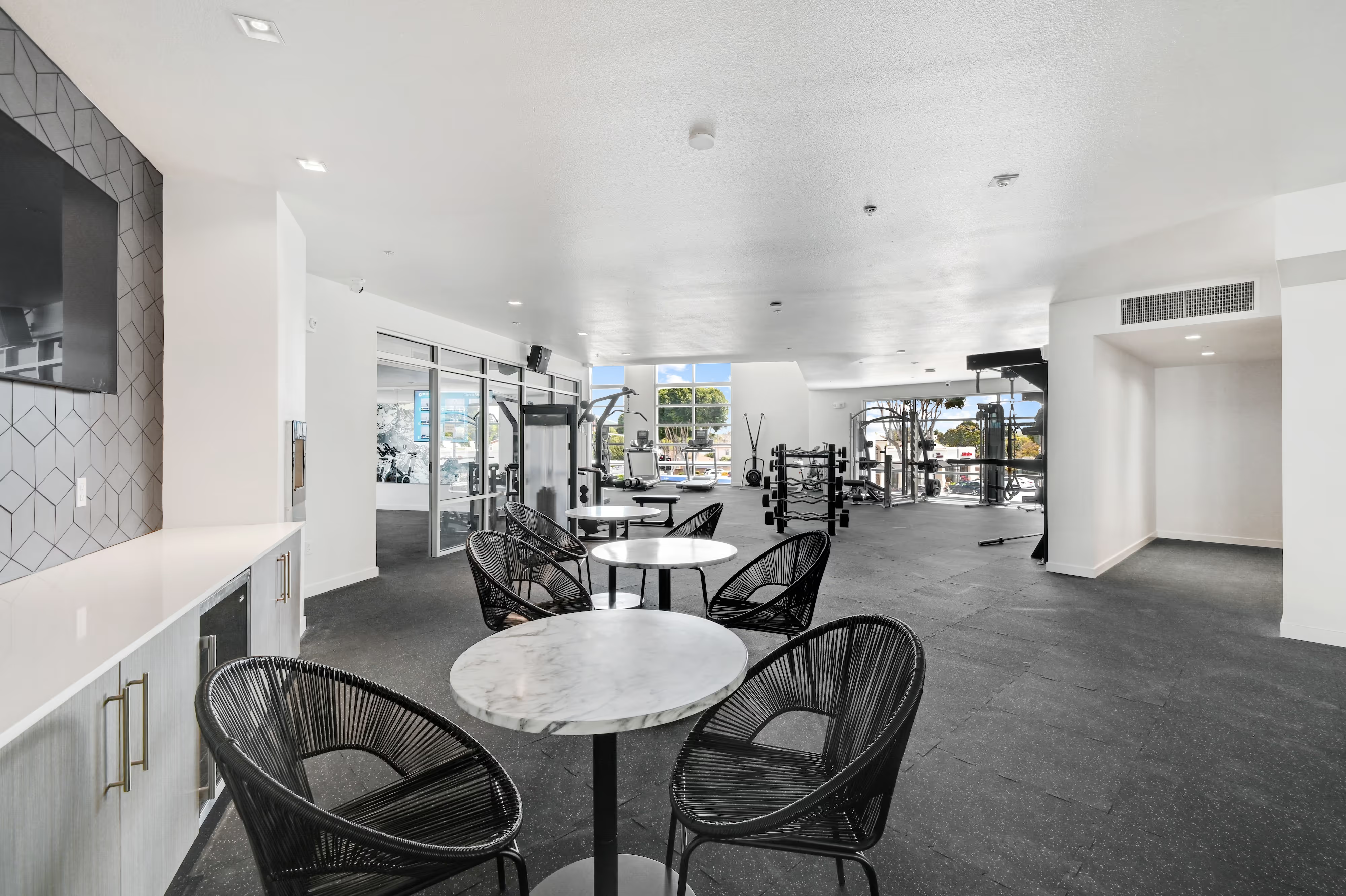
Premium student housing changes the budgeting equation by combining an individual lease with a more predictable monthly structure. Depending on the community, rent may be bundled with utilities, internet, furnished spaces, study areas, fitness amenities, lounges, and social programming. Roommate matching can help students who need a housing plan before they have a complete group, while an individual lease can separate one resident’s obligations from a roommate’s payment history. Ask exactly which services are included, how matching works, what happens when a roommate cancels, and whether parking carries a separate charge.
For students ready to move beyond base camp, this model prioritizes clarity and connection without requiring a preassembled household. A well-designed Cal Poly student neighborhood should support quiet study, easy transportation, personal privacy, and community in the same address. Summit SLO brings that higher-altitude approach to student living with spaces designed for both focused weekdays and rooftop-level downtime. Availability can narrow as each incoming class makes plans, so review lease terms early and reserve your preferred place before the next climb begins.
How to Choose Your Cal Poly Student Neighborhood: A Step-by-Step Guide
Choosing the right Cal Poly student neighborhood starts with an honest look at your budget, schedule, transportation needs, and preferred level of independence. The best address is not always the closest one. It is the home that supports your classes, sleep, friendships, meals, work obligations, and financial plan without creating daily friction. Use the process below before touring apartments or submitting an application.
Five Steps From Budget to Lease Signing
- Set your complete housing budget. Include rent, utilities, internet, parking, transportation, groceries, furnishings, deposits, application fees, and renter’s insurance. If rent exceeds $1,000 per room monthly, as many local student rentals do according to the research brief, the added costs can change the decision.
- Choose your daily routine. Decide whether you prefer walking to class, biking, driving, cooking at home, studying in shared spaces, or living near restaurants and coffee shops. Write down your earliest class time and your tolerance for traffic, noise, and parking searches.
- Confirm the lease structure. Check whether the agreement is individual or shared, furnished or unfurnished, fixed-term or flexible. Review occupancy limits, renewal language, guest rules, maintenance duties, cancellation terms, and sublease approval requirements.
- Verify the physical details. Tour the bedroom, bathroom, kitchen, laundry area, storage, workspace, entrances, and parking. Test cell service and ask about internet speed, security, accessibility, package delivery, and emergency maintenance.
- Document before signing. Save the listing, lease, fee schedule, floor plan, emails, photos, and promised repairs. Never rely only on a verbal commitment. Compare the final contract with your original notes, then submit payments through a verified channel.
On-Campus vs Off-Campus vs Premium Housing: Pros and Cons
Each housing model solves a different problem. University housing can make the first transition easier through a campus setting and established residential services. Traditional rentals offer greater control over furnishings, meals, roommates, and neighborhood selection, though the search often demands more coordination. Premium housing places convenience, amenities, and predictable planning at the center. Evaluate the full experience, not only the advertised monthly rent.
Housing Path Decision Guide
Pros
- On campus: A direct connection to university resources, student activities, dining, and established housing procedures.
- Off campus: More neighborhood choice, kitchen access, privacy options, and flexibility in creating a home routine.
- Premium housing: Furnished spaces, shared amenities, roommate matching, individual lease options, and a more predictable move-in plan.
Cons
- On campus: Meal plan requirements, parking limitations, contract deadlines, and policies that may leave limited room for changes.
- Off campus: Competitive availability, shared financial responsibility, deposits, utility management, and possible maintenance coordination.
- Premium housing: A higher monthly price may accompany upgraded finishes, services, amenities, and included conveniences.
For a final decision, score each option against five categories: total cost, campus access, personal space, lease clarity, and community fit. Give extra weight to any category that affects your health, grades, or ability to work. Students who want an elevated home base without assembling a full roommate group may find Summit SLO’s furnished, amenity-rich format especially practical. A thoughtfully planned Cal Poly student neighborhood should help you spend less energy solving housing problems and more energy reaching your next summit. Limited availability makes early lease review and reservation a smart move.
.avif)