Cal Poly study spaces
Finding the right Cal Poly study spaces can shape your academic rhythm. Your ideal spot depends on the assignment, schedule, noise preference and need for outlets, Wi-Fi, whiteboards or group seating. A quiet library desk may fit exam prep, while a collaborative room or private apartment may work better for a project or quick review.
Key Takeaways
- Selecting the perfect study location requires you to consider your specific assignment and personal schedule.
- You should prioritize amenities like accessible outlets, reliable Wi-Fi and whiteboards based on your current task.
- Quiet library desks offer the best environment for intense exam preparation and deep focus.
- Collaborative rooms or private apartments provide a better setting for group projects and interactive study sessions.
- Matching the noise level of a space to your study preferences will significantly improve your productivity.
As a former Cal Poly student, I learned that productive studying is less about finding one perfect location and more about building a reliable rotation. Start with campus resources, check occupancy before crossing campus and keep a comfortable nearby option ready for busy weeks.
What are Cal Poly study spaces?
Cal Poly study spaces include library floors, reservable fishbowls, department buildings, study structures, outdoor tables and designated late-night areas. Each setting supports a different kind of work. Quiet floors suit reading and exam preparation, collaborative rooms support project teams and open lounges work well for flexible studying between classes.
Kennedy Library remains a central academic hub, with individual desks, collaborative tables, meeting rooms and a 24-hour study area that includes 24 PC workstations, according to Cal Poly Library study-space information. Reservable fishbowls give groups room to work through a presentation or lab report, with reservations limited to three hours per student each day. Review current library hours and reservation policies before planning a long session.
Campus demand can change quickly. Mustang News reported that a library renovation changed study-space capacity. Seats near outlets and windows may disappear early during midterms and finals. The Waitz app information from Cal Poly Materials Engineering identifies real-time occupancy for C-7, H-11 and Sierra Madre study structures, helping you check availability before leaving home.
Why does the right Cal Poly study space matter?
The right location separates academic work from personal downtime and matches the setting to the task. A quiet desk can support deep reading, problem sets, coding or flash-card review. A group room gives project partners space for conversation, shared screens, sketches and rehearsal. Choosing well saves time because you are not forcing silent work into a social area or teamwork into a space meant for individual concentration.
Access matters, too. A 24-hour study area gives you more flexibility when labs, club meetings, athletics or jobs fill the daytime schedule. Late-night access can help during exam preparation, provided you bring a charger, water, headphones and a realistic plan. Check building access rules and current hours first because schedules may change with the academic calendar, university events or maintenance.
Study smarter: Use a three-level rotation. Choose a quiet campus desk for high-focus work, a reservable room for collaboration and a comfortable private apartment for short review sessions. This approach protects your time when popular seats are full.
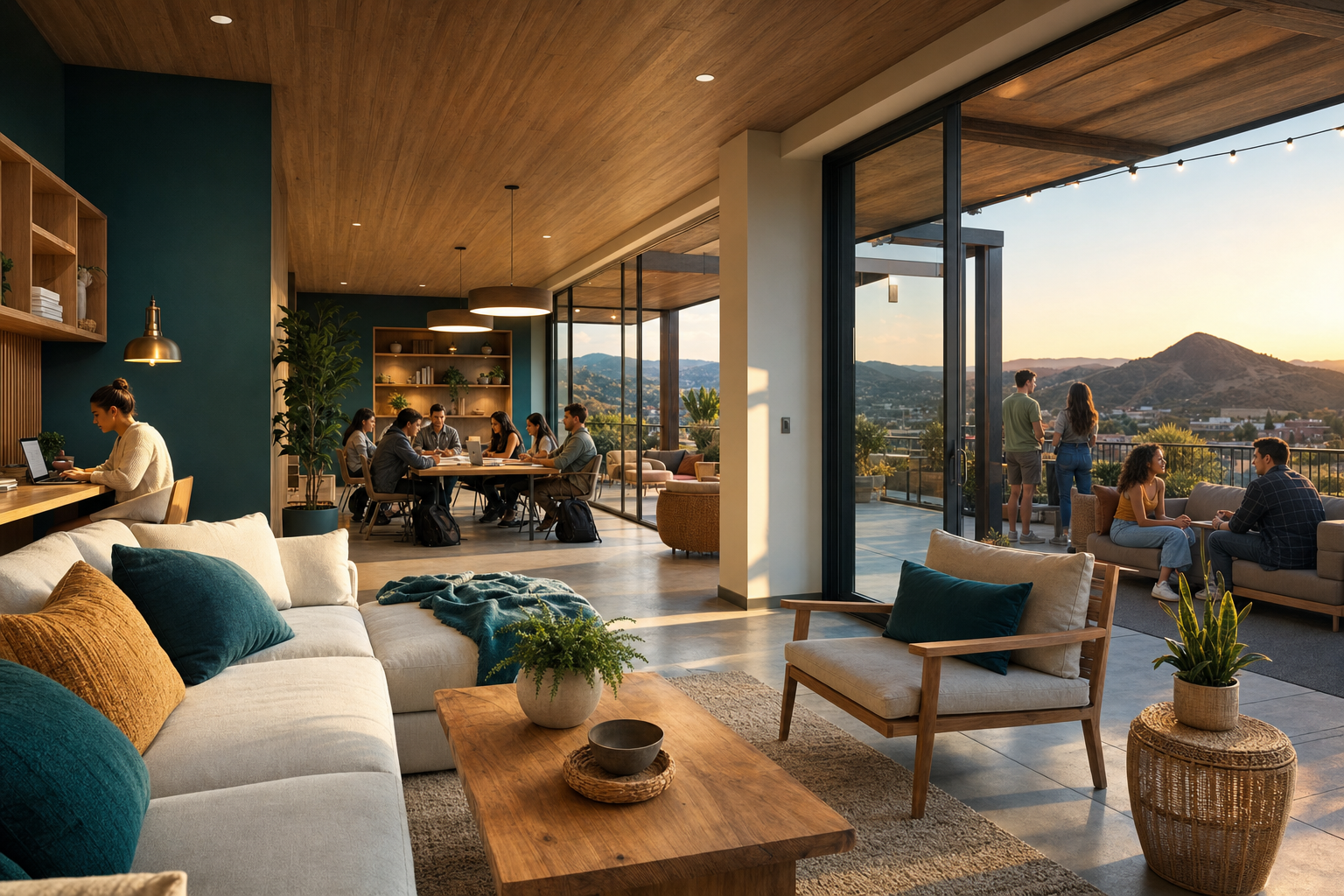
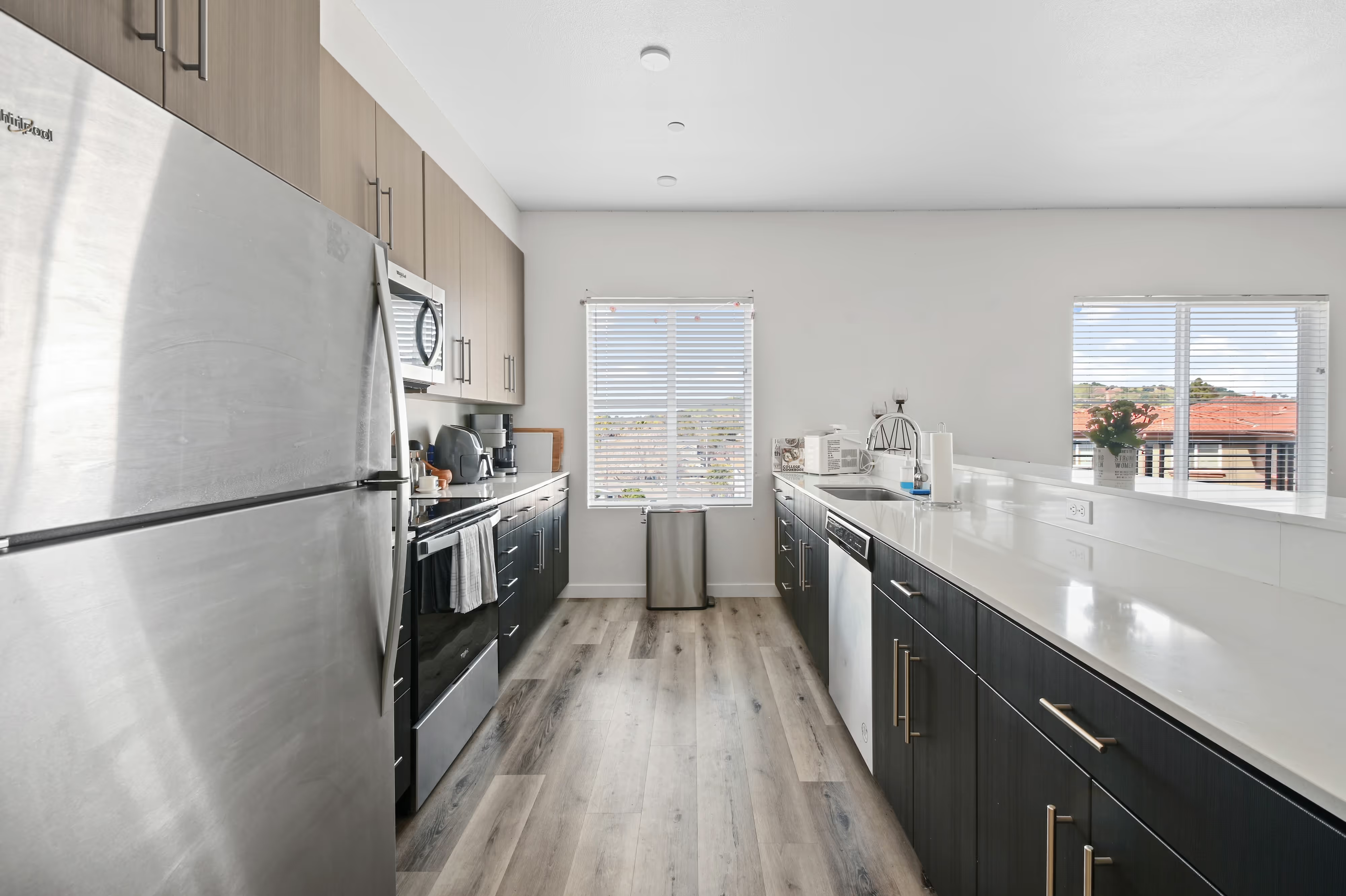
Residential study areas add convenience. At Summit SLO, a private apartment can put your next study session nearby. You can reach your notes, snacks and charger without another cross-campus walk, then adjust the lighting, noise and break schedule to suit your routine.
That convenience can support consistency. A dedicated desk signals that it is time to focus, while nearby spaces make a change of scenery easy. Summit SLO offers fully furnished apartments and individual leases, so your home base can support independent work. Your study routine should feel like a trail with clear markers, not a scramble from one crowded seat to the next.
How should you choose Cal Poly study spaces?
Choose a study location by matching the setting to the work, not by chasing a popular seat. For close reading, exam review or coding, prioritize a quiet zone with comfortable seating, dependable Wi-Fi, nearby outlets and limited foot traffic. For a team assignment, look for a reservable room, whiteboard, shared table and enough space for laptops and notes. If you need a quick review between classes, an open lounge or outdoor table may fit better. The best Cal Poly study spaces support your assignment without creating new distractions.
Next, evaluate access before you travel. Check current library hours and reservation rules through the Kennedy Library study and meeting space information, especially for evening sessions or group meetings. Confirm whether a location requires campus identification, whether food and drinks are allowed and whether seats can be held. During midterms and finals, create a backup route. A full library floor should not derail your schedule when a study structure, department building or private apartment may offer another option.
Noise tolerance deserves its own decision point. Silent work calls for headphones, individual desks and distance from entrances, elevators and social areas. Collaborative work needs conversation, charging access and room to spread out. If you are studying late, verify building entry and operating hours rather than assuming a familiar space remains available overnight. Bring a charger, water, course materials and a time limit. Then begin.
Use a three-question check: What am I completing, how much noise can I handle and how long will I stay? Your answers point toward a silent desk, group room, late-night workstation or nearby private apartment. At Summit SLO, residents can study in a private apartment without adding a cross-campus commute, making it easier to adapt when conditions change.
Build a rotation instead of depending on one destination. Reserve a campus room when collaboration matters, select a quiet academic area for demanding individual work and keep a private apartment option available for crowded periods. Track seat comfort, lighting, outlet location, internet reliability, bathroom access and walking time. After several sessions, keep the locations that help you finish assignments. Summit SLO provides a practical home base for study. Review published apartment floor plans.
References
- California Polytechnic State University: https://www.calpoly.edu/
- Cal Poly University Library: https://lib.calpoly.edu/
Frequently Asked Questions
Where can I study on campus at Cal Poly?
Students can study in Kennedy Library, department buildings, study structures, outdoor seating areas, and reservable fishbowls. Select the setting based on your assignment. Individual desks work well for reading and exam preparation, while fishbowls and collaborative tables give project teams room to talk, plan, and share materials. Before leaving home, check current building access, operating hours, and occupancy information so your session starts with a clear destination.
Are there quiet study spots on campus?
Yes. Look for designated quiet areas, individual workstations, upper library floors, and locations away from entrances, elevators, printers, and group tables. Noise levels can shift throughout the day, so bring headphones as a backup and choose a seat with minimal foot traffic. During finals or other high-demand periods, arrive earlier or keep a private apartment available as a calmer alternative. A quiet setting is most useful when it also has comfortable seating, reliable Wi-Fi, lighting, and convenient charging access.
What study spaces are open 24 hours?
Kennedy Library provides a 24-hour study area with 24 PC workstations, according to Cal Poly Library information. Confirm current access requirements and operating policies before planning an overnight session, since university schedules, maintenance, and academic-calendar changes can affect availability. For late study at home, Summit SLO residents can also use a fully furnished private apartment without adding a cross-campus walk.
How do I reserve a study room in the library?
Use the library’s current study and meeting space reservation system, then review the booking rules before selecting a time. Fishbowl reservations are limited to three hours per day, per student. Reserve only the time your group needs, arrive promptly, and release the room if plans change. Check whether your reservation includes the equipment, seating capacity, and access conditions required for your project.
What are the best off-campus study spots near Cal Poly?
The best nearby option depends on your priorities. A fully furnished private apartment may suit a familiar routine. A coffee shop may suit a shorter session if conversation and background sound help you focus. Choose a location with dependable internet, adequate seating, practical hours, and a noise level that matches your work. Keeping one nearby fallback spot in your rotation can protect your schedule when campus seats fill.