Cal Poly parent guide
Use this Cal Poly parent guide as your starting point for staying informed, preparing for major transition dates, and supporting your student without adding more noise to an already full schedule. The best first steps are straightforward: subscribe to official updates, understand the orientation timeline, and create a communication rhythm that respects your student’s independence.
Key Takeaways
- Start with official family communications, mark every orientation milestone, and build a support plan before move-in.
- For housing, evaluate safety procedures, total cost, study space, transportation, and community fit.
- The strongest Cal Poly parent guide is practical: it helps your student make decisions while preserving their ownership of college life.
San Luis Obispo living reaches beyond the classroom. Housing, transportation, health resources, academic support, campus traditions, and family events all shape the college experience. A clear plan gives your student room to climb while helping you stay connected from home base.
Your Cal Poly Parent Playbook: Where to Begin
A useful Cal Poly parent guide should point you toward dependable information rather than send you through disconnected searches. Begin with Cal Poly’s official Parent and Family Programs hub. From there, identify the updates that apply to your student’s year, major, and transition stage. Keep a short list of essential contacts for housing, financial aid, academic advising, health services, transportation, and student support.
This approach also helps with practical decisions, including where your student will live. Ask about lease terms, security deposits, parking, utilities, internet, maintenance response, access control, roommate matching, and the distance to campus. Off-campus housing may offer more privacy and shared amenities, but families should review the full monthly cost instead of focusing only on advertised rent. A written budget can include groceries, transportation, renters insurance, laundry, furnishings, and seasonal travel.
Parent and Family Programs: Newsletters, Webinars and Family Events
Cal Poly’s Stay Informed page is a smart place to organize your family communication plan. Parent newsletters, webinars, announcements, and event information can explain registration dates, campus services, safety resources, academic expectations, and seasonal activities. Subscribe early, then save messages that include deadlines or contact details. A shared calendar can keep orientation sessions, payment dates, travel plans, and family weekends visible without requiring repeated reminders.
Webinars are especially helpful when a topic feels unfamiliar, such as financial aid requirements, health and wellness, academic advising, or student privacy. Prepare questions before each session and separate general guidance from matters that require your student’s direct authorization. FERPA protections mean families may not receive every individual academic or health detail, so encourage your student to know their support contacts and ask for help when needed. Family involvement works best as a safety net, not a second advising office.
Orientation Milestones: Open House, SLO Days and Week of Welcome
Orientation is a series of stepping stones, not one appointment. Open House can help families understand campus traditions, academic expectations, student services, and the practical rhythm of San Luis Obispo. Cal Poly’s Open House information for parents and supporters explains how families can participate while giving students space to connect with their future classmates.
SLO Days introduces incoming students to campus resources, their academic community, and the routines that support a confident start. Week of Welcome then turns preparation into daily experience through meetings, activities, social events, and first-week guidance. Before each milestone, confirm transportation, lodging, required materials, meal plans, and move-in logistics. During the visit, walk the routes your student will use, identify quiet study locations, and discuss how they will handle homesickness, roommate concerns, wellness needs, and academic pressure. Those conversations create a steadier launch into the height of student living.
Turn Family Information Into a Student Support Plan
The most effective next step is turning scattered announcements into a plan your student can use independently. Create a simple reference document with emergency contacts, health resources, academic advising details, housing information, transportation options, and financial deadlines. Add links to official Cal Poly pages, then note which questions your student can answer alone and which situations call for family support. This gives your student a reliable trail map without placing every decision on your shoulders.
Use a communication agreement before the academic year begins. Decide how often you will check in, which method works best, and how your student can signal that they need help. A weekly call may suit one family, while short text updates may work better for another. Discuss privacy boundaries directly, especially for grades, medical appointments, roommate matters, and financial information. A clear agreement reduces misunderstandings and gives your student room to develop judgment.
Family Planning Checkpoint
Before move-in, make sure your student knows how to contact an advisor, locate health services, report a housing concern, manage a basic budget, and respond during an emergency. Your role is not to memorize every campus office. Your role is to help your student know where the right answer lives.
Evaluate Student Housing With Confidence
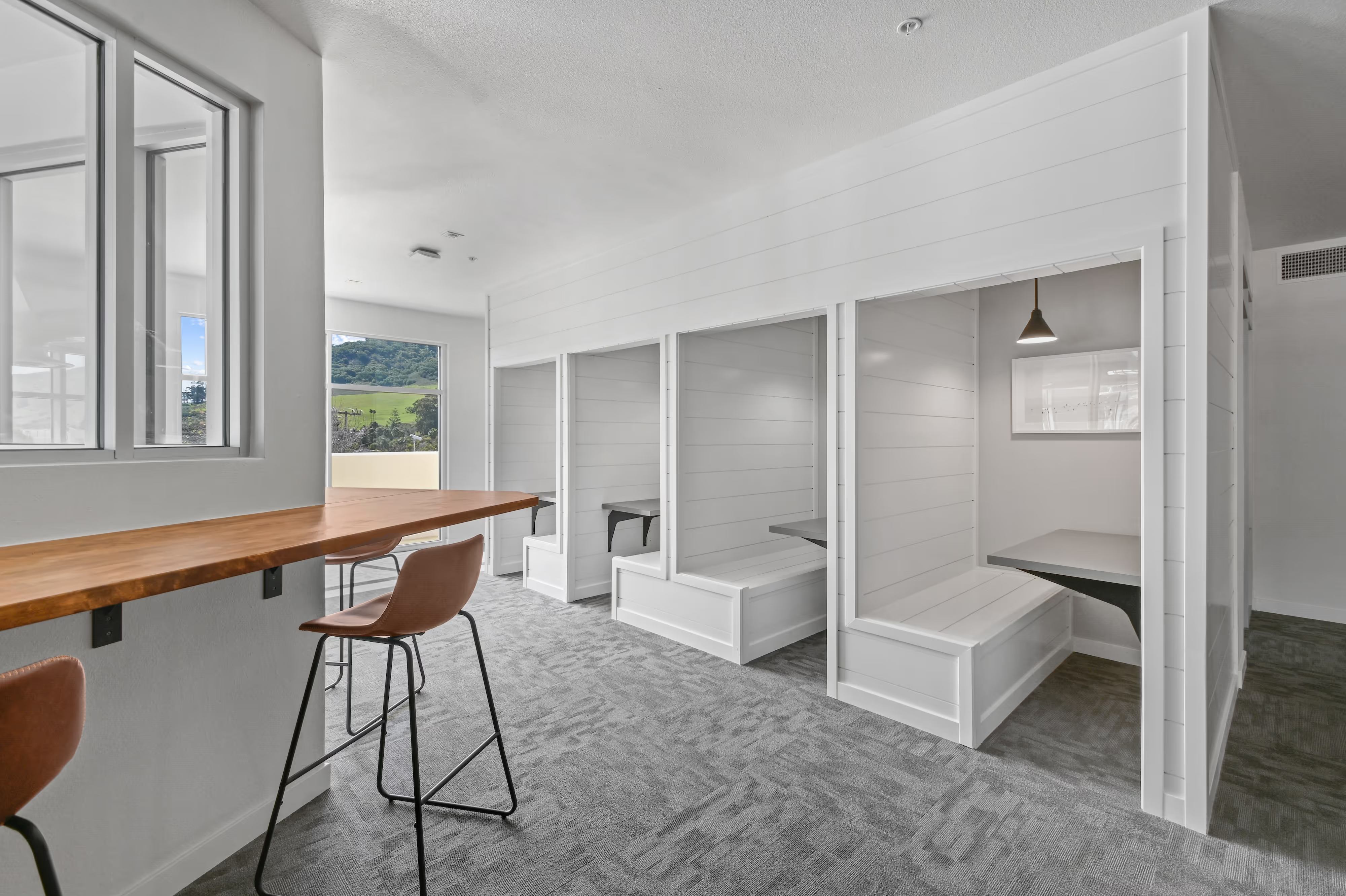
Housing deserves its own review because the apartment becomes your student’s daily base camp for studying, resting, cooking, and building friendships. Ask your student to participate in every stage, from touring the property to reading the lease. Review the floor plan, bedroom dimensions, storage, natural light, sound levels, study areas, laundry access, internet service, guest policies, and maintenance process. Safety questions should cover exterior lighting, entry procedures, smoke detectors, emergency procedures, package handling, and the route between home and campus.
Budgeting requires more than multiplying rent by twelve. Identify application fees, deposits, utilities, parking, furniture, renters insurance, groceries, and transportation costs. Confirm whether services are bundled or billed separately, and ask when charges are due. A transparent worksheet can reveal whether a lower advertised rate still creates a larger monthly obligation after added expenses. If your student is considering student housing at Summit SLO, use the same disciplined process: connect any amenities described by the property to the routines your student actually wants.
Housing Decision Criteria for Families
Parents often focus on proximity, while students may care more about roommates, privacy, community, and convenience. Both perspectives belong in the conversation. Ask what helps your student sleep well, focus on coursework, reach campus, prepare meals, and recover after a demanding day. Roommate matching deserves special attention. Compatibility questions about cleanliness, schedules, guests, noise, and communication can create better expectations before keys are collected.
Pros
- A written cost review reduces surprises after signing.
- Safety questions turn vague concern into practical information.
- Student participation supports ownership and independence.
Cons
- Amenities may add value without fitting every student’s routine.
- Separate bills require more monthly organization.
- A fast decision can leave lease details or roommate expectations unclear.
The Verdict on Preparing for Cal Poly Life
Families do not need a perfect script. They need dependable information, realistic budgeting, thoughtful housing questions, and a communication plan that respects the student’s growing independence. Start with official Cal Poly resources, verify deadlines, and save the contacts that matter most. Then shift from managing each task to coaching your student through the process.
Future planning should include lease renewal dates, transportation changes, academic workload, summer housing, internship schedules, and possible changes in financial support. Revisit the plan after the first month, again before winter quarter, and whenever your student’s needs change. This Cal Poly parent guide points toward a clear verdict: informed families create stronger launches when they prepare early, ask specific questions, and let students take the lead. Change your altitude by building support that is present, practical, and ready when needed.