24 hour study spaces
When a paper is due at 8 a.m., finding 24 hour study spaces near Cal Poly can feel like a second assignment. The library may be full, your roommate may be watching videos, and a café table may come with the unspoken expectation that you keep ordering. The right study environment should support focus without adding another obstacle to your night.
Key Takeaways
- When a paper is due at 8 a.m., finding 24 hour study spaces near Cal Poly can feel like a second assignment.
- The library may be full, your roommate may be watching videos, and a café table may come with the unspoken expectation that you keep ordering.
- The right study environment should support focus without adding another obstacle to your night.
Use three standards to evaluate any late-night location: dependable access, a setup that protects your body and attention, and enough room to work without constant interruptions. A beautiful view is a bonus, but reliable Wi-Fi, lighting, outlets, and quiet zones are what help you climb through a demanding study session.
The Search for 24 Hour Study Spaces: Why Typical Options Miss the Mark
The Reality of Campus Library Hours During Finals Week
Campus libraries are often the first choice for research, reading, and exam preparation because they provide academic resources and a familiar routine. During midterms and finals, that advantage can disappear. Tables fill early, group conversations spread through quiet floors, and the closing announcement arrives just as concentration finally takes hold. Students searching forums for late night study spots often describe the same tension: they need an academic setting, but the most obvious one may not remain available when their schedule does.
A dorm room creates a different set of friction points. A bed encourages sleep, a phone is within reach, and roommates can introduce noise, conversation, or unpredictable interruptions. Standard lounges may offer a couch and a coffee table, yet lack task lighting, ergonomic seating, sound control, or enough outlets for a laptop, phone, and desk lamp. At 2 a.m., those small limitations become major barriers to productive work.
Must Have Amenities: Power Outlets, Lighting and Wi-Fi
Start with the basics before judging the atmosphere. A dependable study room should have fast Wi-Fi, conveniently placed outlets, a stable work surface, and a chair that supports several hours of reading or writing. Even lighting matters because glare and dim corners can strain your eyes. Look for layered illumination, including overhead fixtures and focused desk lighting, so you can annotate a textbook without squinting.
Access matters just as much as design. Confirm whether the space remains open throughout your study window, whether entry requires a key or reservation, and whether quiet areas are separated from social zones. If you are evaluating 24 hour study spaces, ask whether the location supports both solo concentration and collaborative work. A reliable environment should reduce decisions, not create new ones every time your battery drops or the room becomes crowded.
Comparing Your Late Night Options: Public Libraries vs 24 Hour Cafes
Navigating 24 Hour Public Spaces and Diners
Public libraries can provide quiet tables, reference materials, and a work-focused atmosphere, but their schedules, seating capacity, and access rules vary. A diner or all-night café offers longer access and an easy place to settle in, especially when you need a change of scenery. The tradeoff is environmental control. Background music, kitchen noise, bright signage, conversations, and limited table space can make a three-hour writing session feel much longer.
Before choosing a location, consider the task itself. A diner may work for flashcards or a short reading block, while a library is better suited to citation-heavy research. A private apartment study area can be more practical for a recorded presentation or a group meeting, provided the furniture, internet connection, and sound level support the assignment.
| Study setting | Advantages | Potential drawbacks | Best fit |
|---|---|---|---|
| Public library | Quiet zones, academic resources, focused atmosphere | Limited hours, crowded seating, formal access policies | Research, reading, and individual review |
| 24-hour café or diner | Extended access, food service, casual seating | Noise, purchase expectations, variable outlets and Wi-Fi | Short work blocks, flashcards, and informal reading |
| Apartment study lounge | Convenient access, familiar surroundings, flexible schedule | Quality depends on furniture, sound separation, and maintenance | Regular coursework and late-night review |
The Hidden Costs of Coffee Fueled Cramming
A café session may appear inexpensive, yet the price extends beyond one drink. Students can spend on coffee, meals, parking, rideshare fees, or fuel while giving up time to travel and secure a table. Caffeine can also push sleep later, making it harder to feel prepared for the next class, lab, shift, or exam. Studying longer is not automatically studying better.
Consider the full cost before leaving home: transportation, food purchases, safety after midnight, noise exposure, and the likelihood of finding a usable outlet. A dependable setting can protect both your budget and your attention. When searching for 24 hour study spaces, prioritize access and design over novelty. The strongest choice is the one that lets you begin quickly, work comfortably, and stop when the material is complete.
Public Libraries and Cafes: Pros and Cons
Pros
- Libraries often provide a quieter academic setting.
- Cafes and diners may remain open beyond campus hours.
- Both options can create helpful separation from a distracting bedroom.
Cons
- Seating, outlets, and internet quality may be inconsistent.
- Food and drink purchases can turn a study session into a recurring expense.
- Late-night travel introduces extra time, planning, and personal safety concerns.
Walkability and Convenience: Why Commuting to Study is Outdated
The Short Commute: Studying in Your Pajamas
The best late-night study spot may be the one you can reach without leaving home. A short walk from your apartment to a dedicated study lounge removes the friction that turns a productive plan into a postponed one. There is no packing a backpack, checking closing times, searching for parking, or deciding whether the trip is worth the effort. You can move from a lecture recording to a focused work session quickly, then return to your apartment when the assignment is complete.
That convenience also helps separate rest from coursework. A bed invites sleep, while a properly furnished study area signals concentration. Look for a space with an ergonomic chair, desk-height work surface, task lighting, strong Wi-Fi, and charging access. A quiet room supports reading and writing, while a conference room gives a project team space to talk without disturbing anyone nearby. The goal is not simply proximity. It is a setup that makes starting easy and staying focused realistic.
Safety and Savings: Avoiding Late Night Drives
Driving across San Luis Obispo at 2 a.m. adds costs that rarely appear in a café receipt. Fuel, parking, rideshare charges, and time on the road can turn a short study session into an expensive outing. Walking along unfamiliar routes late at night may also feel uncomfortable, especially when you are tired and carrying a laptop. A nearby academic space lets you keep your attention on the material instead of traffic, navigation, and the trip home.
Use this quick checklist before choosing a location:
- Can you reach it safely on foot from your apartment?
- Is access dependable during your actual study hours?
- Are quiet zones separate from conversations and recreational activity?
- Does every seat have reasonable access to power?
- Will the chair, desk, lighting, and temperature support a long session?
- Can you study without buying food or drinks to remain there?
Removing the commute protects more than your budget. It preserves time for sleep, meals, exercise, office hours, and recovery, all of which support memory and sustained attention. For students searching for 24h study places near me, walkability is a practical filter, not a luxury. When the destination is close and designed for coursework, a late-night session becomes part of your routine rather than a logistical challenge.
The Atmosphere Hierarchy: Matching Your Vibe to Your Goals
Deep Focus vs Social Cramming Environments
Different assignments call for different levels of energy. A silent room is ideal for drafting an essay, solving equations, reviewing dense readings, or preparing for an exam that demands uninterrupted recall. Group work needs a table, accessible outlets, and permission to discuss ideas. Social study can help when motivation is low, yet a busy lounge may become a conversation hub instead of a work zone. Match the setting to the task before opening your laptop.
- Deep focus: Choose low noise, visual separation, comfortable seating, and even lighting for writing, reading, and problem sets.
- Collaborative study: Select a conference room or shared table with enough surface area for notebooks, laptops, and reference materials.
- Social accountability: Use an active lounge when you benefit from nearby classmates, brief breaks, and a sense of shared momentum.
A cramped dorm can fail all three tests at once. Roommate noise interrupts concentration, a bed encourages lounging, and limited space makes group work awkward. A noisy diner may provide energy but little control over sound, seating, or lighting. The right environment changes with your workload, so flexibility matters more than a single permanent preference.
How Premium Housing Combines All Three
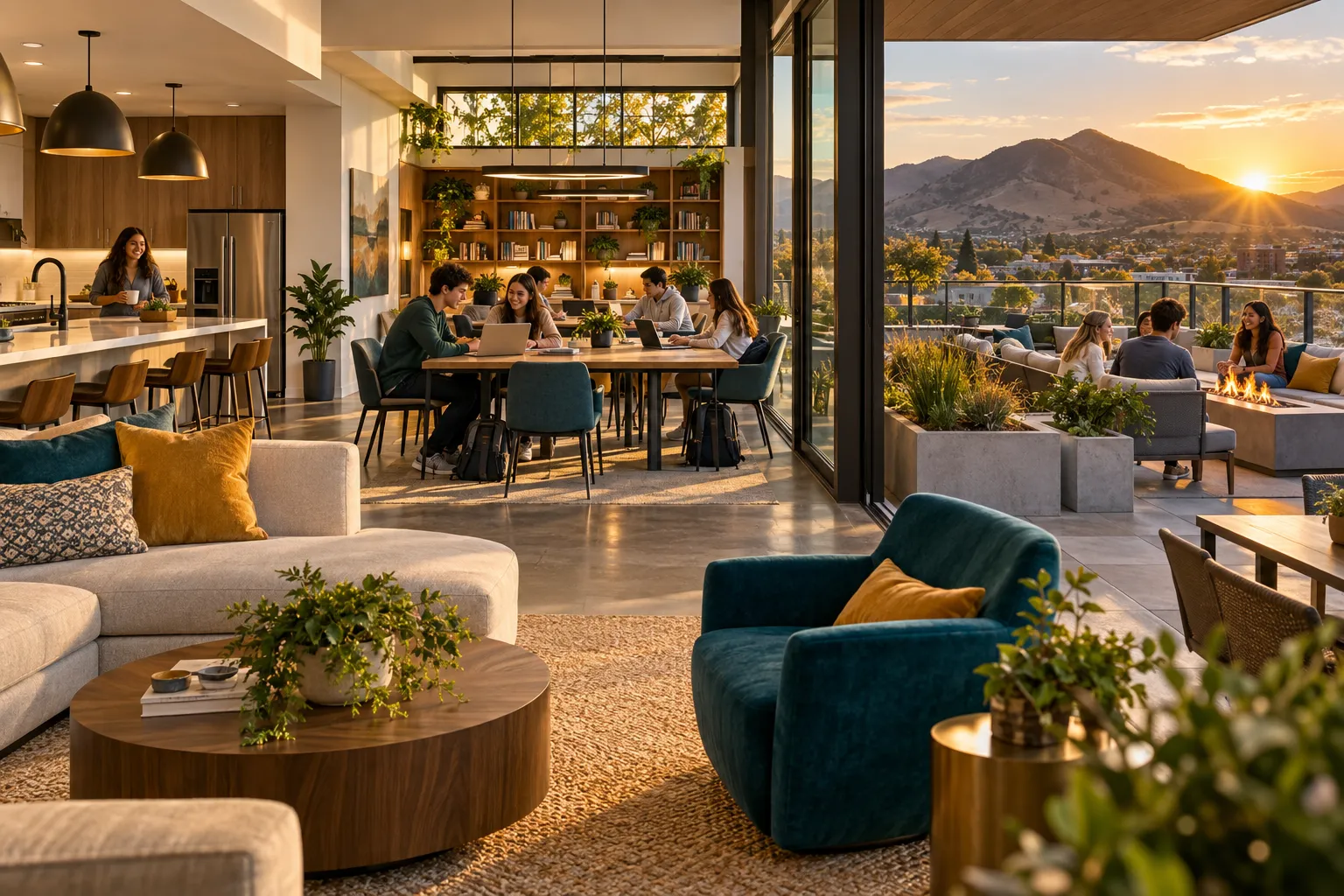
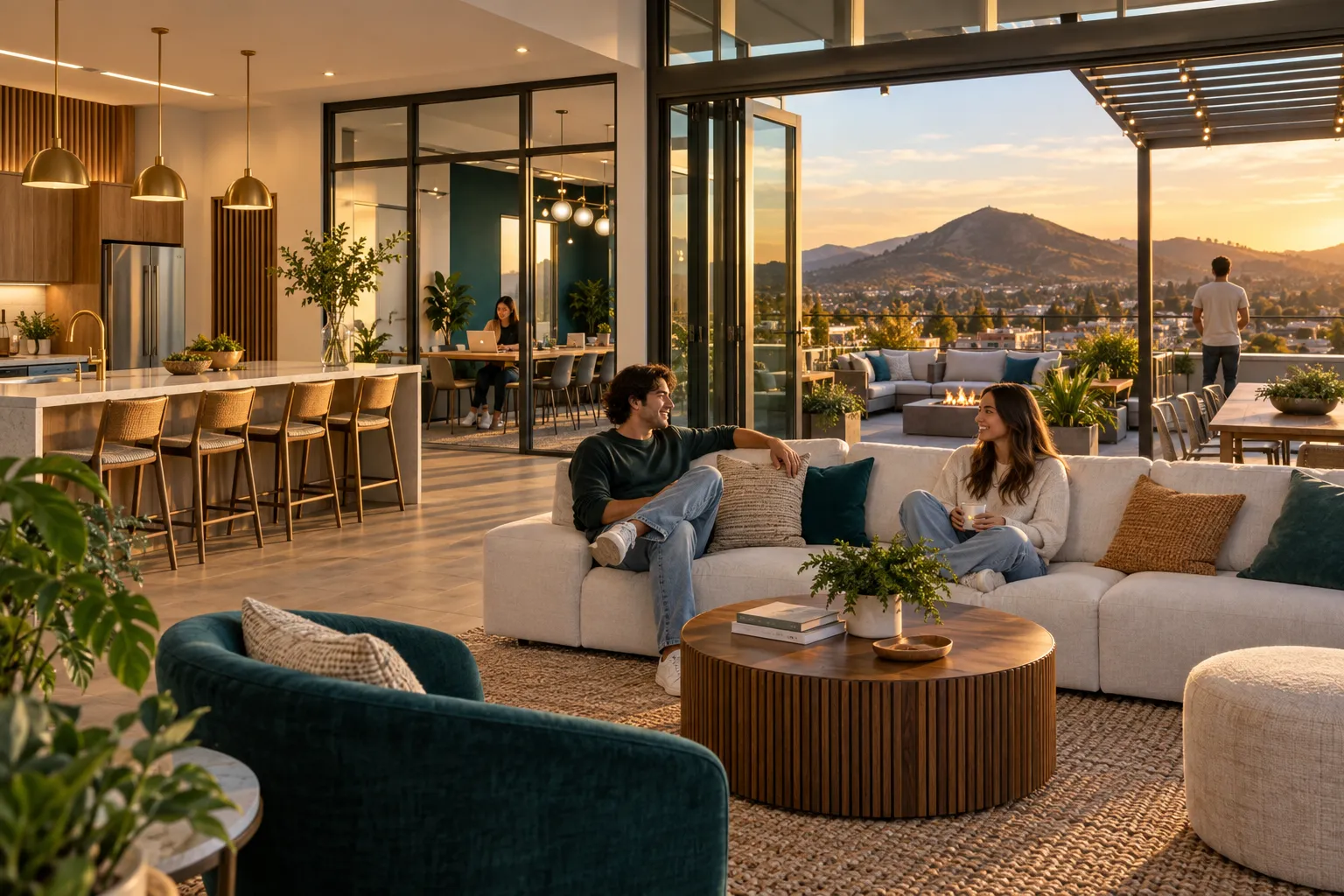
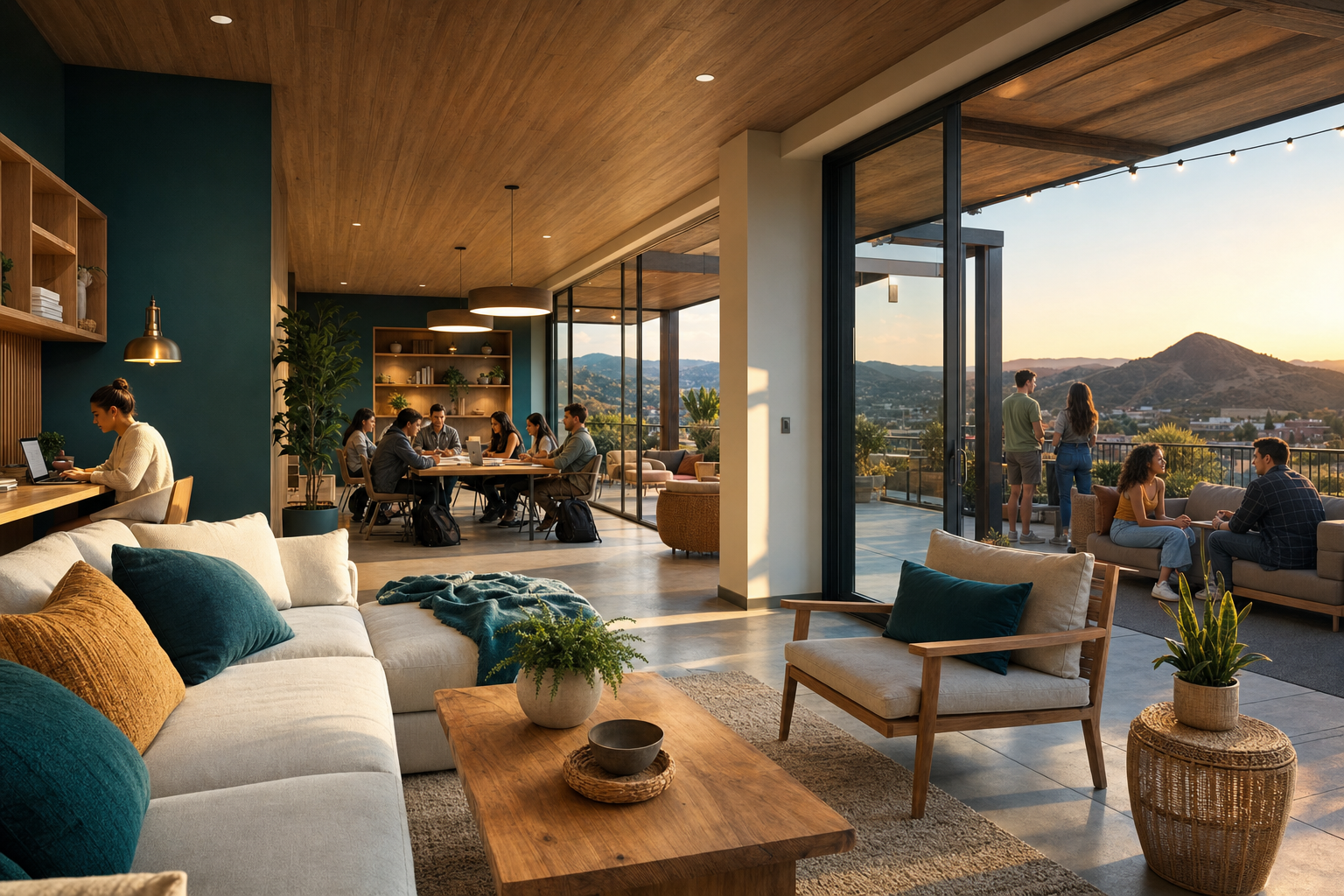
Student housing can provide a home base for different study routines. Evaluate the design details that shape the experience, such as furnished workstations, supportive seating, lighting, internet, charging points, sound separation, and access throughout your schedule. A home environment can help you move between solo review and group collaboration without losing time to a drive across town or a search for an open table.
Evaluate the design details that shape the experience: furnished workstations, supportive seating, optimized lighting, reliable internet, charging points, sound separation, and access throughout your schedule. A well-planned environment helps you keep home close by while following the study routine that fits your work. That is a higher altitude for college living: fewer obstacles, more control, and a study routine built around the way students actually work.
Elevate Your Routine: Study-Friendly Features at Summit SLO
Studying near Cal Poly becomes easier when your apartment supports your routine. Summit SLO offers fully furnished apartments, so a late-night review session can begin at home without a café purchase or a search for an open table. You can choose the setting that fits your assignment, stay close to home, and keep your energy focused on reaching the next academic peak.
Your Summit Awaits: Apartment Features
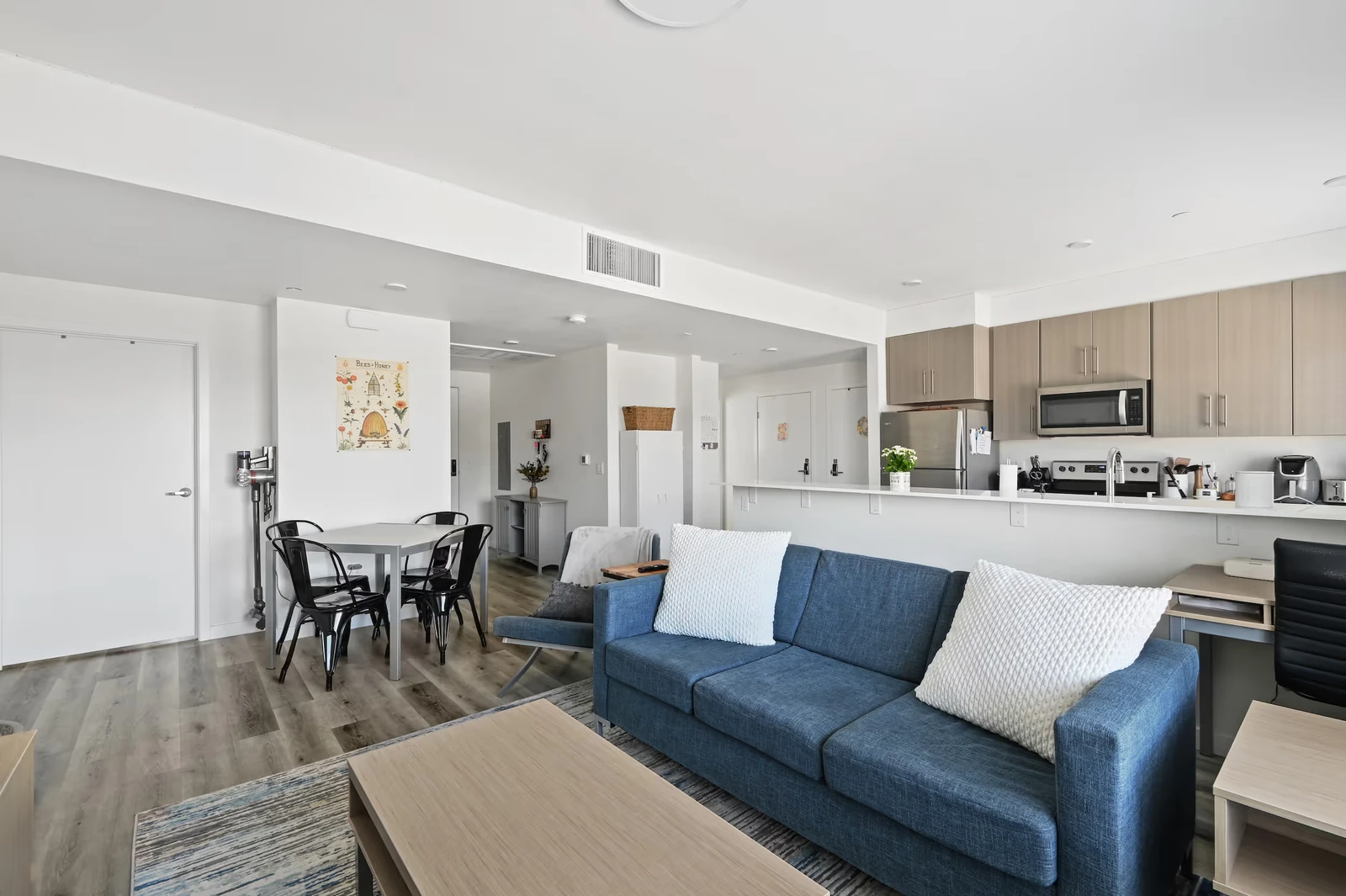
Summit SLO apartments are advertised as fully furnished and include a TV in the living room. Published apartment features include stainless steel appliances, granite countertops, engineered hardwood flooring, a washer and dryer, and central heating and AC. Included utilities are high-speed Wi-Fi and cable, water, sewage and trash.
Published floor plans include 2- and 4-bedroom options, with sizes ranging from approximately 738 to 1,334 square feet. Individual leases are offered. Review the published floor-plan details to choose an option that fits your routine and roommate preferences.
Your floor plan can support that same flexibility. The Bishop is a published 2-bedroom, 1-bathroom floor plan of approximately 738 square feet, with a TV in the living room. Its published features include stainless steel appliances, granite countertops, engineered hardwood flooring, a washer and dryer, and central heating and AC. Published dimensions and layouts are approximate and may vary. The right choice depends on how you organize your day, where you recharge, and whether you prefer a private reset or an energetic shared setting.
For students exploring 24 hour study spaces, the clearest verdict is practical: choose the setting that remains available when your schedule changes. A private room can protect concentration before an early exam. A home environment can provide a familiar place for review without forcing everyone into a bedroom or noisy restaurant.
Apartment features can also leave more room for sleep, meals, exercise, office hours, and student organizations. That balance matters during demanding weeks, when an extra commute can make a manageable workload feel much steeper. Summit SLO offers fully furnished apartments designed for college life in San Luis Obispo.